How to Become a Conference Speaker: A Beginner's Guide
How to Become a Conference Speaker: A Beginner's Guide
Launching Your Speaking Career
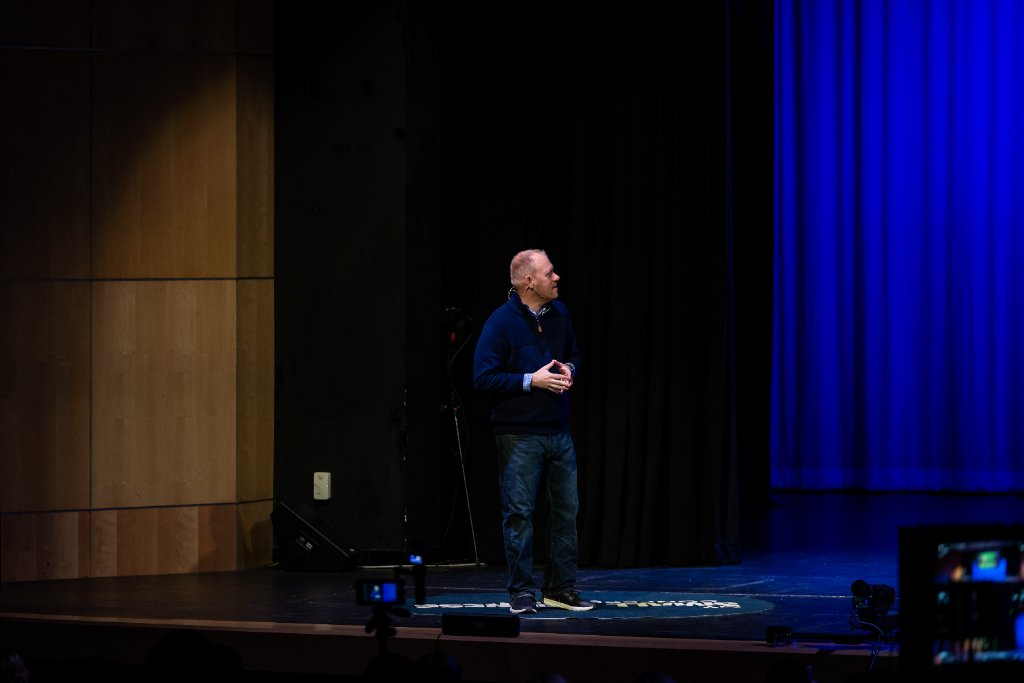
Transitioning from an attendee to a speaker is one of the most transformative steps a small business owner can take. Sharing your expertise positions you as an authority in your niche, increases your brand visibility, and creates networking opportunities that you simply cannot access from a seat in the audience. If you have been waiting for the right moment to step onto the stage, the time is now. You do not need a massive social media following or decades of experience to land your first speaking engagement. You only need a story, a structured lesson, and the willingness to prepare. When you Become a Speaker, you are essentially gifting your hard-earned knowledge to peers who are eager to learn from someone who has been in their shoes.
Identify Your Niche and Expertise
Many aspiring speakers struggle because they try to appeal to everyone. To be effective, you must narrow your focus. What is the one thing your colleagues always ask you for help with? Perhaps you have mastered a specific accounting software, streamlined your shipping process, or found a unique way to retain employees during a recession. This is your niche. Your presentation should solve a specific problem for a specific audience. Before you draft a single slide, ask yourself these three questions:
- What is the specific challenge my audience faces?
- What actionable steps can I offer to resolve that challenge?
- Why am I the best person to teach this?
By answering these, you create the foundation of a compelling talk. Remember that your goal is not to show off everything you know. Your goal is to give your audience three to five actionable takeaways they can implement in their own businesses immediately.
Drafting Your Winning Proposal
When you go to apply to speak at a conference, the proposal is the most critical document you will submit. Conference organizers receive dozens, sometimes hundreds, of submissions. They are looking for proposals that are clear, professional, and directly beneficial to their attendees. A successful proposal includes a catchy title, a clear description of the problem, and a promise of what the attendee will learn.
Crafting a Magnetic Title
A good title should promise a transformation or a solution. Instead of calling your talk Introduction to Marketing, try something like How to Double Your Leads with Zero Ad Spend. The second title tells the attendee exactly what they gain from the session. Keep your title punchy, exciting, and professional. Avoid overly clever puns that might mask the actual value of your talk.
Writing the Abstract
The abstract is your sales pitch. Start with a hook that addresses a pain point. For example, mention the frustration of high customer acquisition costs or the stress of managing a remote team. Follow the hook with your solution. Conclude the abstract by listing three learning objectives. Use bullet points for readability because organizers are often scanning these documents quickly. Ensure your tone matches the conference vibe, which for the My Small Business Conference 2027 should be encouraging, professional, and deeply practical.
Building Your Presentation Deck
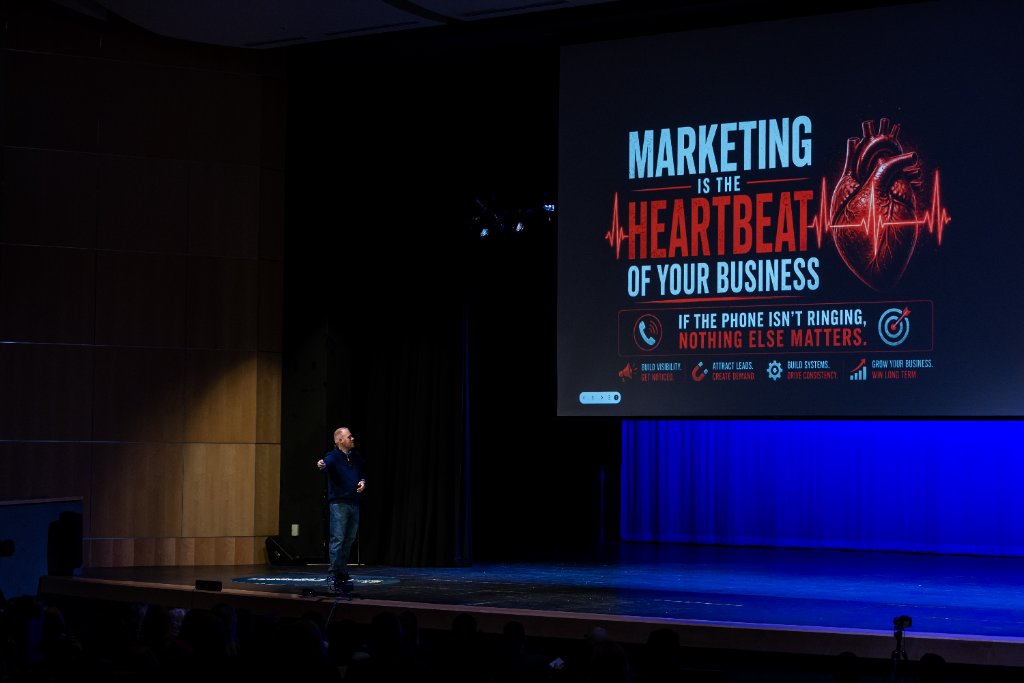
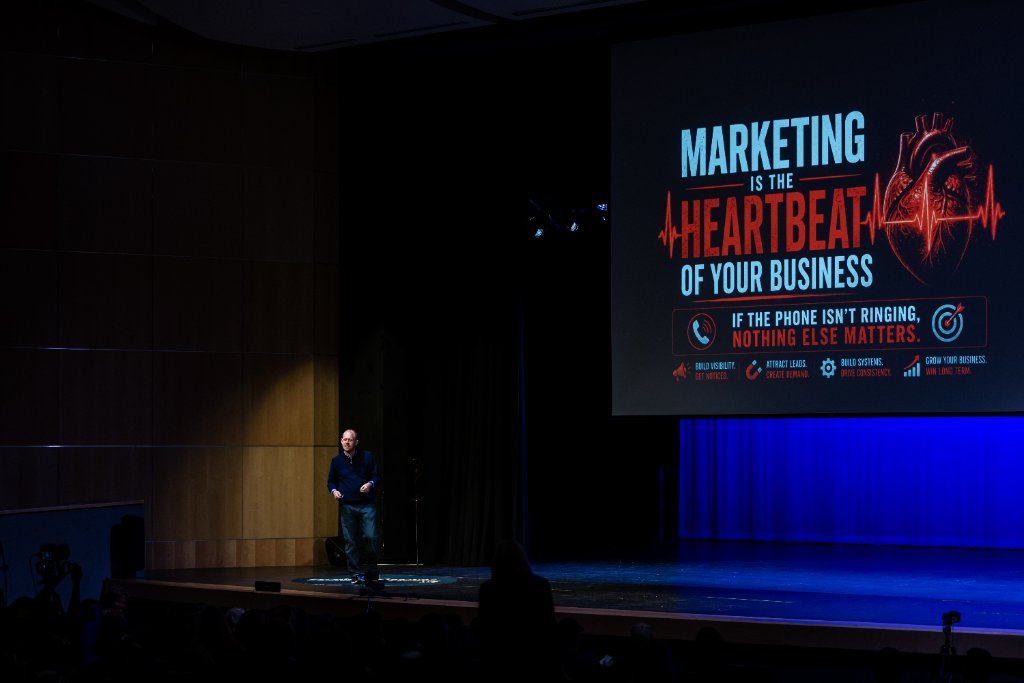
Once you are selected, you must build your deck. Many beginners fall into the trap of filling slides with paragraphs of text. This is a mistake. Your slides are meant to support your message, not replace your voice. The audience is there to hear you, not to read your bullet points.
- Use visuals such as charts, icons, or high quality images to emphasize points.
- Limit your text to one main idea per slide.
- Use a font size that is readable from the back of the room.
- Design your slides with your brand colors to maintain a professional look.
If you have case studies, include them. Real world examples prove your concepts work. If you discuss a strategy, show a screenshot of the results. This builds credibility and helps the audience visualize how they can apply the same logic to their business.
Mastering the Art of Delivery
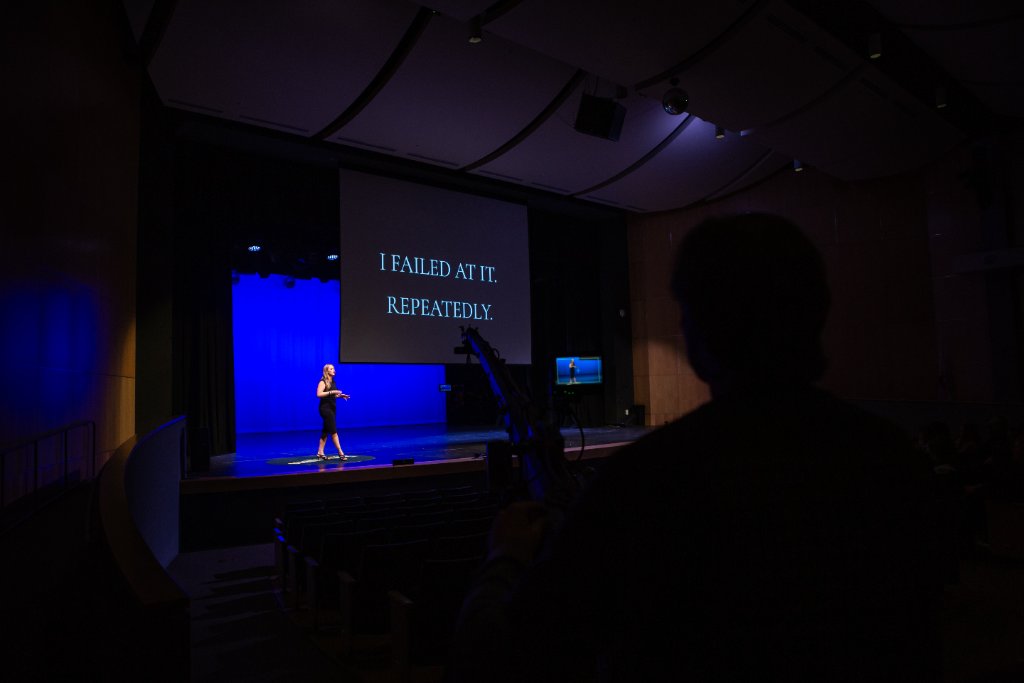
Being a great speaker is a skill honed through practice. You do not need to be a natural performer to deliver a powerful message. Preparation is the antidote to nervousness. Start by practicing your presentation in front of a mirror or record yourself on your phone. Watching your own recording is the fastest way to identify filler words, awkward pauses, or places where your message gets muddy.
Consider joining a local speaking group to get low stakes feedback. When you practice, time yourself carefully. Most conference sessions have strict time limits, and running over your allotted time is considered unprofessional. Aim to finish your presentation with five minutes to spare, which allows time for a brief question and answer session. During the talk, maintain eye contact with different parts of the room. This makes your message feel personal rather than rehearsed. If you make a mistake, do not apologize profusely. Just acknowledge it and keep going. The audience will rarely notice the small errors if you remain confident.
Engaging Your Audience and Networking
Your job does not end when you step off the stage. The best speakers stay to talk with attendees after their session. Be prepared to hand out business cards or share a QR code that links to a handout or a summary of your presentation. When people approach you with questions, listen intently. These conversations often lead to business collaborations, consulting opportunities, or invitations to speak at other events. Treat every interaction as a chance to add value. By being approachable and generous with your time, you transform yourself from a stranger into a trusted resource. You are now part of the professional speaker community, and your journey has just begun.
If you are ready to take the next step and showcase your expertise to a room of motivated entrepreneurs, we invite you to join us in Temecula. We are currently accepting speaker submissions for our next event. If you have a story to share and actionable advice to give, apply to speak at the My Small Business Conference 2027 today.