How to Explain Cybersecurity to Small Business Owners

How to Explain Cybersecurity to Small Business Owners
For many cybersecurity experts, the prospect of presenting to small business owners feels daunting. You possess deep technical knowledge about zero-trust architectures, penetration testing, and incident response. However, when you enter a room full of entrepreneurs in Temecula, the conversation must shift from bits and bytes to bottom lines and business continuity. This guide provides a framework for translating complex technical concepts into actionable business strategies.
The Language of Risk vs. The Language of Tech
Small business owners care about survival. They do not necessarily care about the intricacies of an encrypted tunnel or the nuances of specific firewall configurations. To be an effective speaker at an event like the My Small Business Conference 2027, you must stop speaking the language of engineering and start speaking the language of business risk.
Instead of explaining how a phishing email bypasses a spam filter, explain the financial loss associated with a single successful business email compromise event. Frame every technical vulnerability as a potential threat to their operational stability. When you present, your audience should walk away understanding not how the lock works, but why leaving the door open is an unacceptable business risk.
Translating Technical Debt into Business Liability
Most small business owners have heard of technical debt but often perceive it as a vague IT issue. As a speaker, you need to define this as a liability. If they are running outdated legacy software, they are essentially carrying an uninsured financial burden. Use analogies that relate to their everyday experience. For example, compare unpatched software to a building with a faulty fire suppression system. It might work fine until the day it is needed, and when it fails, the consequences are catastrophic.
Creating Actionable Frameworks for Non-Technical Leaders
Cybersecurity can feel like an overwhelming topic because the threat landscape is constantly changing. To keep your audience engaged, provide them with a structured framework they can implement immediately. Avoid overwhelming them with a list of 50 tools. Instead, provide a step by step approach to building a culture of security.
- Assess the crown jewels. Help them identify which data is most critical to their operations.
- Implement baseline controls. Focus on MFA, data backups, and employee training.
- Create an incident response plan. Even a one page document can save a business after a breach.
- Monitor and maintain. Explain that security is a process, not a product purchase.
By providing a simple, manageable list, you reduce their anxiety and increase the likelihood that they will actually take steps to improve their posture. If you can communicate these steps clearly, you are exactly the kind of expert we need to Become a Speaker at our next event.
Using Real World Examples to Illustrate Threats
Nothing wakes up an audience faster than a relatable story. Avoid using highly technical case studies from Fortune 500 companies that seem irrelevant to a local boutique or service firm. Focus on the local experience. Discuss common tactics such as invoice fraud or ransomware targeting local service providers.
When you share a story, follow this format:
- State the problem: A common attack vector.
- Explain the business impact: Loss of data, revenue, or reputation.
- Provide the solution: Simple, low cost steps to prevent the issue.
By using this structure, you humanize the threat. The audience will see themselves in the story, which makes your advice much more personal and impactful.
Addressing the Resource Gap in Small Business
One of the biggest hurdles small business owners face is the perception that cybersecurity is only for large enterprises with massive budgets. As a professional, your role is to debunk this myth. You need to demonstrate how a strong security posture can be achieved on a modest budget through smart resource allocation.
Discuss the shift toward managed services and cloud based solutions that provide enterprise grade security at a price point accessible to small firms. Explain that while they may not have a CISO on staff, they can still adopt a security mindset. Emphasize that most breaches are preventable through basic hygiene, not expensive software. When you can show them that security is about habits rather than just heavy investment, you empower them to take control of their digital future.
Strategies for Engaging a Non-Technical Audience
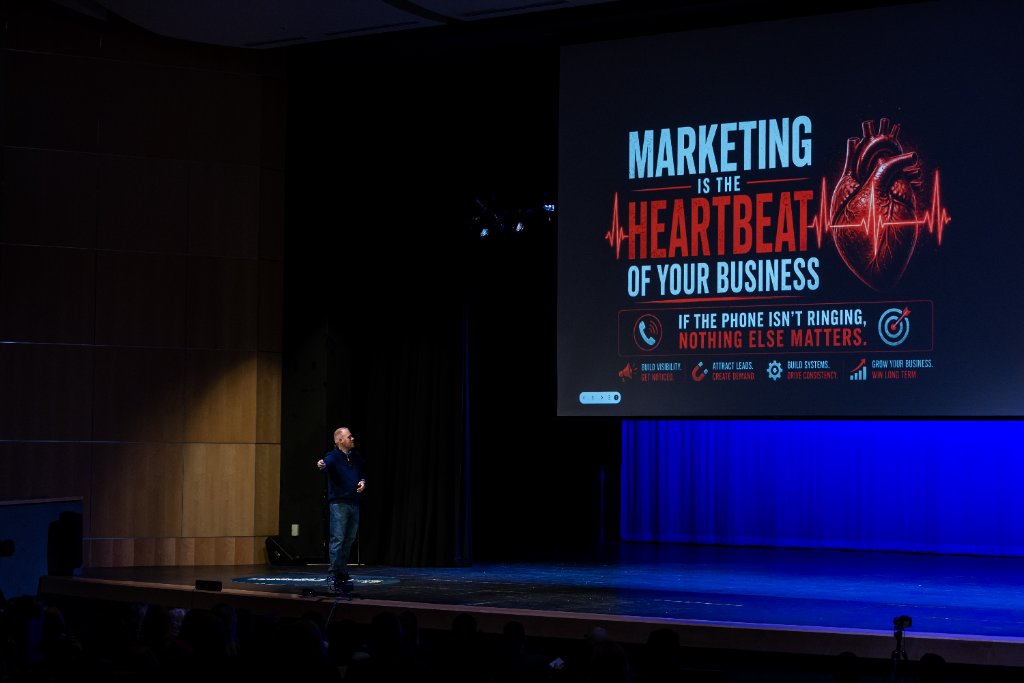
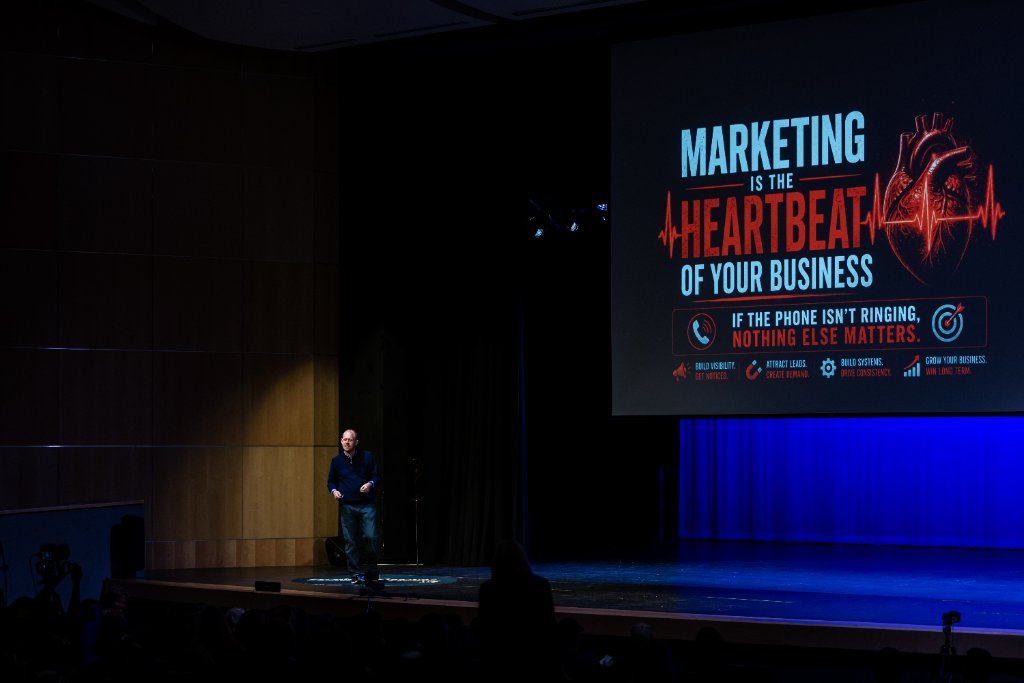
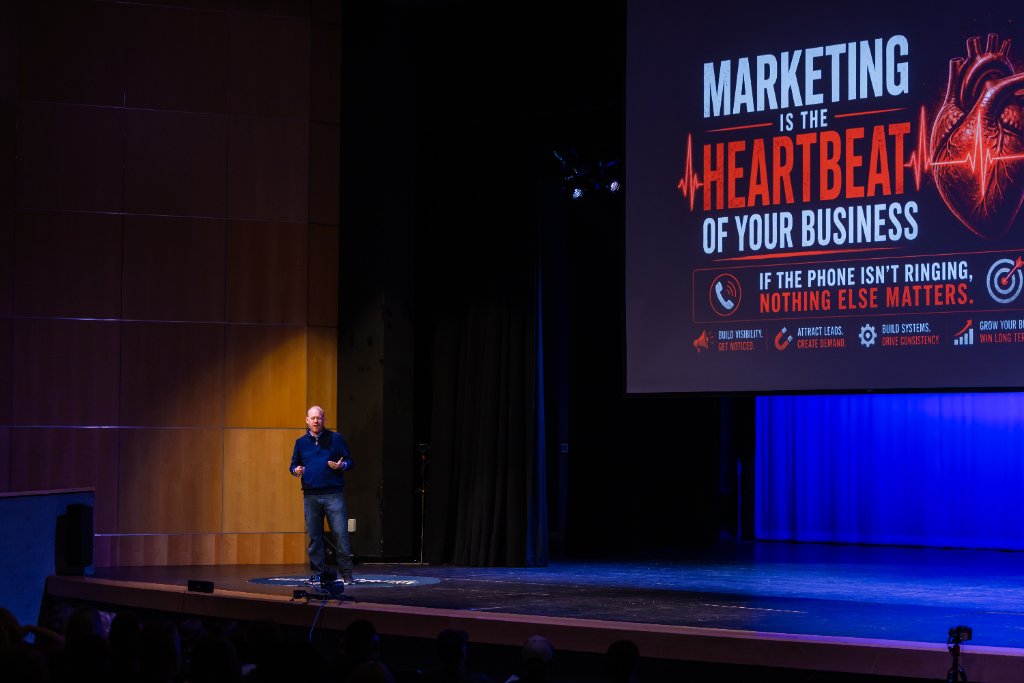
To be a truly memorable speaker, you must master the art of engagement. If you are presenting at a conference, your goal is to spark curiosity rather than induce panic. Avoid doom and gloom scenarios that make them feel helpless. Instead, focus on the power of proactive defense.
- Use visual aids that clarify rather than complicate. Ditch the slide full of text for a simple diagram or a short, impactful video.
- Encourage audience participation. Ask questions like, How many of you have ever had to reset an account due to a suspected login attempt?
- Keep the Q and A session structured. Prepare for common questions like, What is the one thing I should do first? or Is antivirus still relevant?
By staying accessible and encouraging, you bridge the gap between your technical world and their business reality. This is the hallmark of a great presenter and a key quality we look for when experts apply to speak at the My Small Business Conference 2027.
Your Opportunity to Lead the Conversation
The small business community is hungry for practical, clear, and actionable advice on navigating the modern digital landscape. As a cybersecurity professional, you have the unique ability to turn their confusion into clarity and their fear into a proactive strategy. Sharing your expertise does more than just fill a time slot at a conference, it helps local businesses build the resilience they need to thrive in a challenging environment.
We are looking for voices that can translate complex threats into clear strategies. If you are ready to share your knowledge with a community of motivated entrepreneurs, we invite you to apply to speak at the My Small Business Conference 2027. Join us in Temecula to help shape the future of small business security.