How to Prepare for Your First Business Conference Talk
How to Prepare for Your First Business Conference Talk
Landing your first speaking engagement at a professional business conference is a major career milestone. Whether you are an expert in digital marketing, a seasoned entrepreneur, or a boutique consultant, the opportunity to share your knowledge on a public stage builds credibility and expands your professional network. However, moving from industry expert to conference speaker requires a shift in mindset and preparation. If you have been accepted to speak at the My Small Business Conference 2027, you are already on the right path. Now, it is time to refine your craft.
Mastering Your Narrative and Core Message
Every great presentation begins with a clear, singular focus. Many first time speakers make the mistake of trying to share too much information in a short timeframe. If your audience leaves the room with ten different takeaways, they will likely remember none of them. Instead, focus on one powerful problem and your unique solution to it. You should be able to summarize your entire talk in a single sentence. If you cannot explain your core message in one sentence, it is not yet focused enough. Think about the specific pain points of your attendees and tailor your narrative to provide immediate, actionable value. Whether you are teaching technical skills or sharing an entrepreneurial journey, your message should be the anchor for every slide and anecdote you include.
Define Your Target Takeaway
Before you draft a single slide, identify exactly what you want the audience to do after your talk ends. Do you want them to change their accounting practices? Do you want them to experiment with a new lead generation tool? Clear objectives keep your presentation on track. Create a list of three bullet points that summarize the main lessons of your talk. These will act as your north star during the editing process.
Designing Visual Aids That Support Your Story
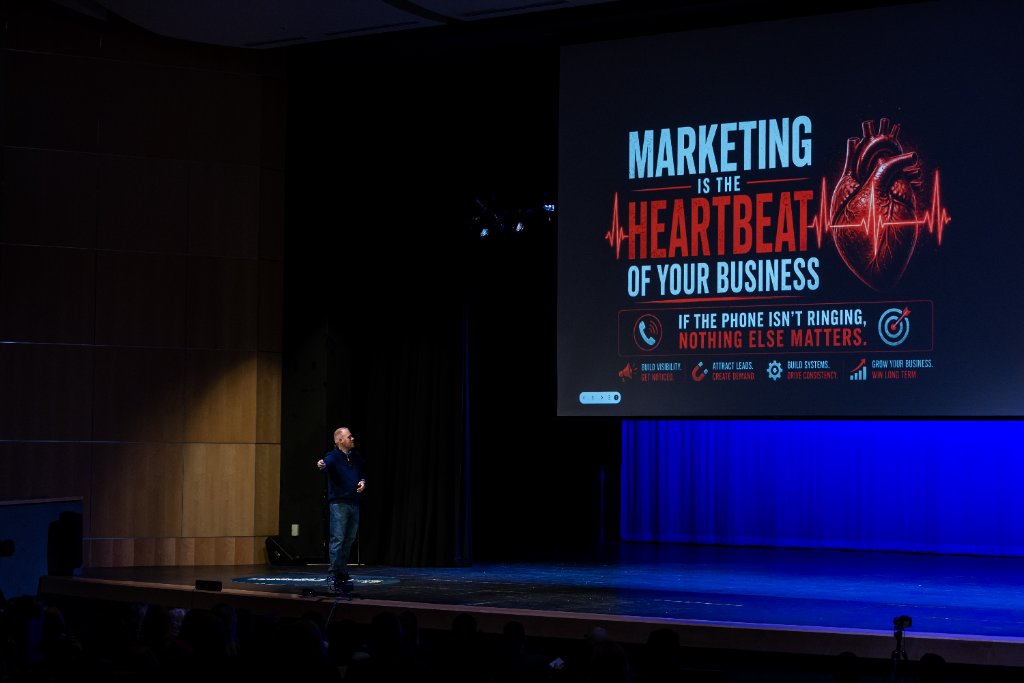
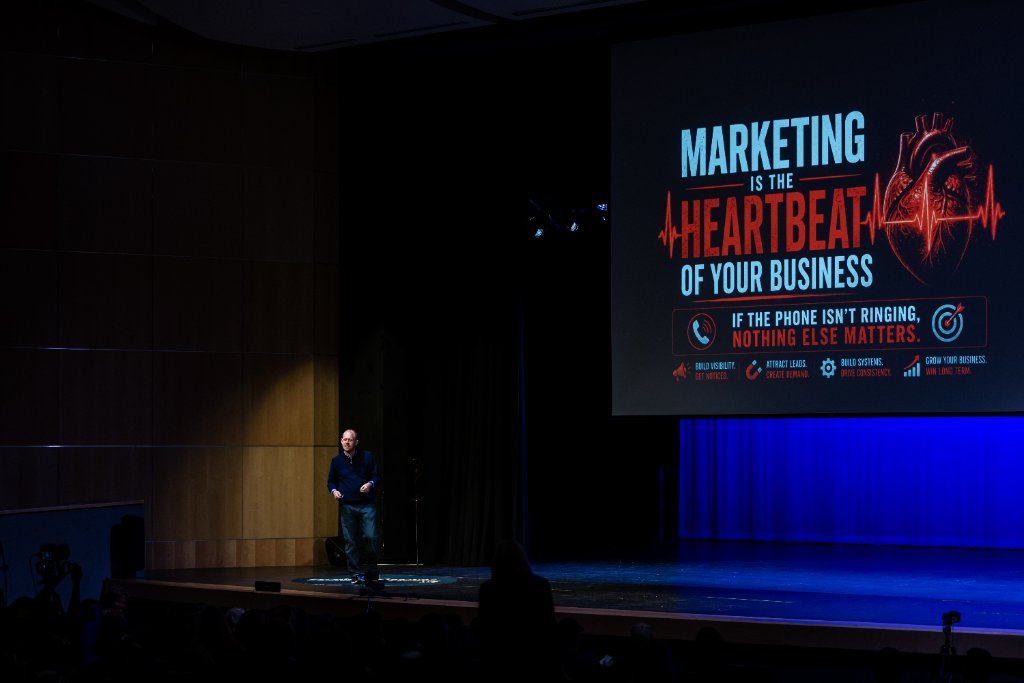
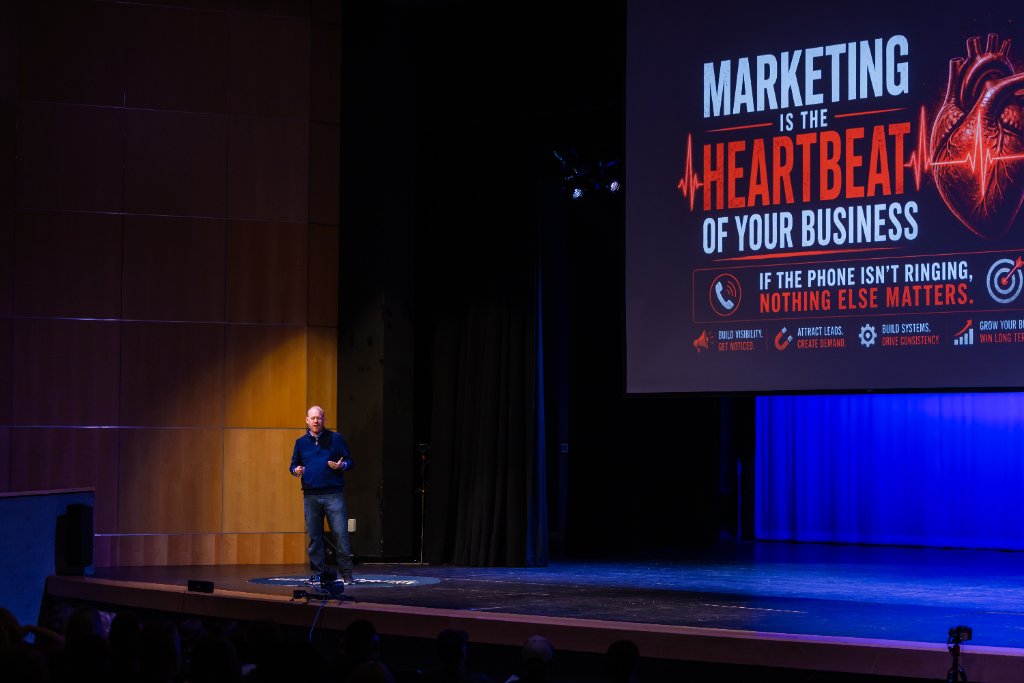
Slides are meant to serve as visual support for your speech, not as a script for you to read. Many speakers fall into the trap of putting too much text on their slides. When a slide is crowded with bullet points, your audience will stop listening to your voice and start reading the screen. Your presentation deck should complement your storytelling. Use high quality imagery, simple charts, and minimal text to reinforce your points. Aim for no more than six words per line on any given slide. If you have a complex data set, present the most important takeaway in a clear graphic rather than a spreadsheet capture.
Best Practices for Slide Design
- Stick to a consistent color palette that aligns with your professional brand.
- Use a large, readable font size for all text elements.
- Limit the number of animations to prevent distraction.
- Ensure every image serves a purpose rather than just filling space.
The Art of Rehearsal and Pacing
Preparation is the ultimate antidote to stage fright. Most people do not fail because they lack knowledge, but because they lack a clear plan. You should practice your presentation out loud at least five times before you step on stage. Recording yourself is the most effective way to identify filler words, awkward transitions, or spots where you lose momentum. Pay close attention to your pacing. If you find yourself rushing to fit everything in, cut content rather than speaking faster. A relaxed, measured delivery gives the audience time to process the information you are sharing. If you need further assistance with your preparation, feel free to contact us for guidance on the venue and tech requirements.
Strategies for Effective Practice
- Time your presentation during every rehearsal to ensure you stay within your allotted window.
- Practice standing up to get used to your body language.
- Identify the high energy parts of your talk and practice delivering those with extra enthusiasm.
- If you are working on your craft, you might want to check out our resources at Become a Speaker.
Engaging Your Audience Through Interaction
Business audiences appreciate engagement that feels natural rather than forced. Do not wait until the end of your talk to ask if there are any questions. Instead, find ways to weave interactive moments throughout your presentation. Ask for a show of hands early on to gauge the audience experience level. Use polling tools or hypothetical scenarios to keep the room attentive. If you encourage the audience to reflect on their own businesses, they will be more invested in your solution. Make sure your interactive elements are brief so they do not disrupt your flow. The goal is to keep the audience feeling like active participants rather than passive observers.
Maintaining Connection
- Make eye contact with different people around the room, not just the front row.
- Use conversational language to build rapport quickly.
- Be prepared to answer follow up questions about your professional experience.
Managing Technical Logistics and nerves
Technical glitches are every speaker's nightmare, but you can mitigate these risks by being prepared. Arrive early on the day of your session to walk the stage and test your microphone. Have your presentation saved in multiple formats, such as PDF and PowerPoint, on a thumb drive and in the cloud. Do not rely solely on the venue internet connection. When it comes to nerves, remember that the audience is on your side. They want you to succeed because they want to learn from you. If you make a small mistake, stay calm, smile, and keep moving. Your ability to recover with grace is often more impressive to an audience than a flawless but stiff delivery.
Final Pre-Stage Checklist
- Confirm that all embedded videos work without requiring external internet access.
- Bring your own clicker or remote if you prefer a specific model.
- Wear comfortable clothes that allow you to move naturally.
- Hydrate well and keep a bottle of water nearby during your session.
Join Our Speaker Community
Preparing for your first conference talk is a challenging but incredibly rewarding process. As you refine your message and practice your delivery, you are building skills that will serve your business for years to come. At the My Small Business Conference 2027, we value the unique voices and experiences that speakers bring to our stage. If you have been inspired to share your expertise with a room full of eager entrepreneurs, we invite you to take the next step. Learn more about our event and apply to speak to join our growing community of thought leaders.