How to Share a Business Failure Story That Helps Others

How to Share a Business Failure Story That Helps Others
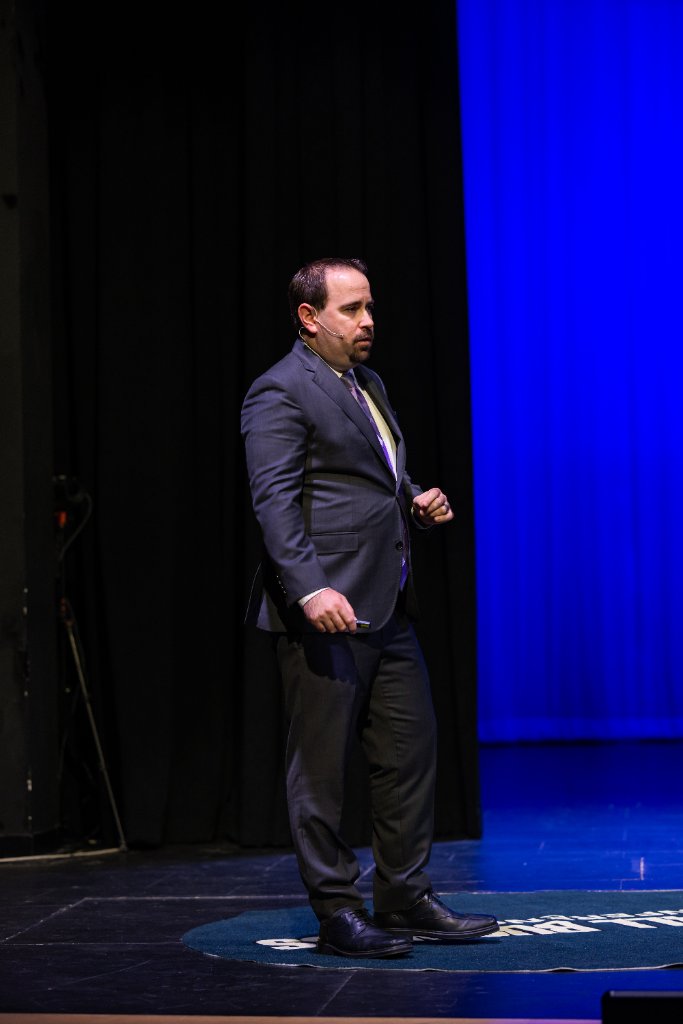
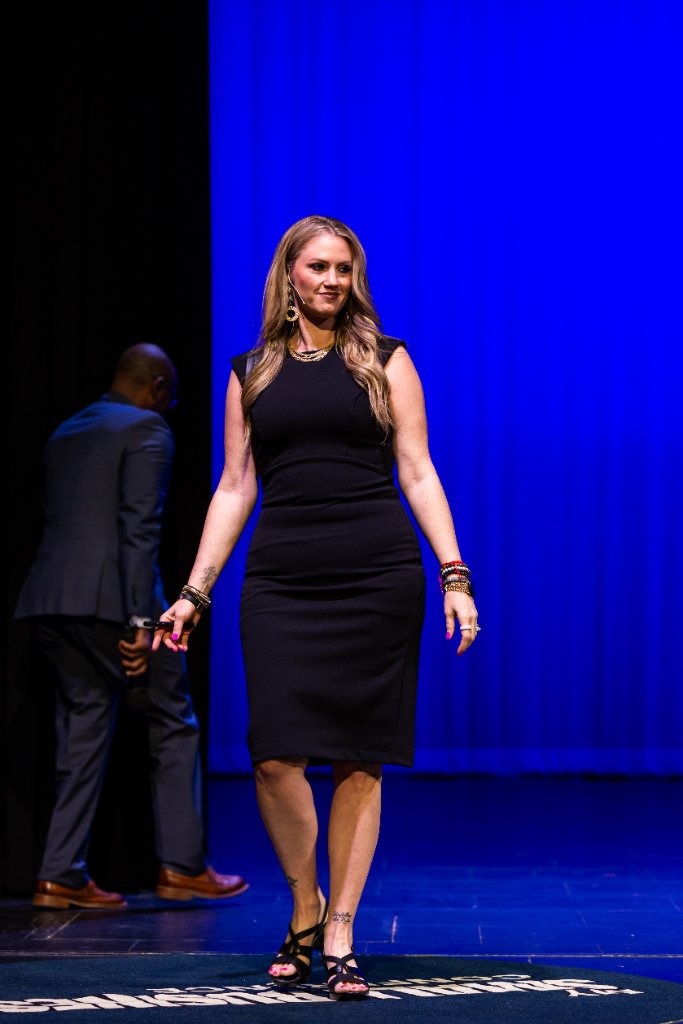
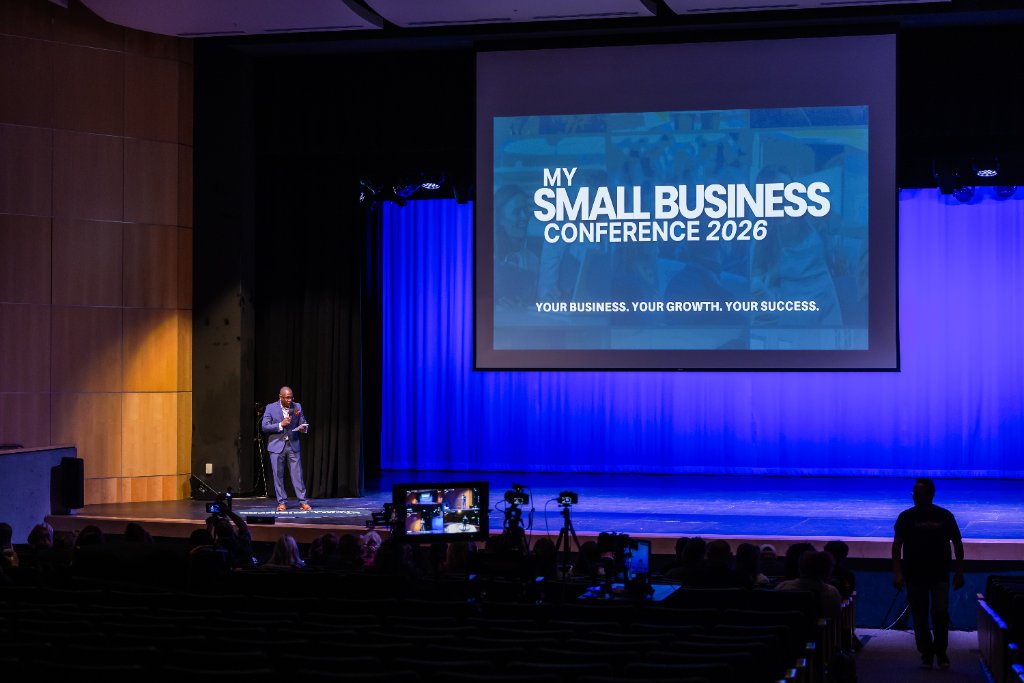
Many entrepreneurs view their failures as secrets to be buried or forgotten. However, the most impactful speakers at the My Small Business Conference 2027 are often those who own their past mistakes to teach others how to succeed. When you stand on a stage and recount a pivot that did not work or a launch that flopped, you are not just sharing a story. You are offering a shortcut to success for your peers. To learn from the best in the business, you should examine our speakers to see how they integrate vulnerability into their professional expertise.
The Power of Vulnerability in Entrepreneurship
Vulnerability is not a weakness in the business world. It is a sign of high emotional intelligence and leadership. When an audience hears about your struggle, they stop viewing you as a distant expert and start viewing you as a mentor. They become more receptive to your advice because they know you have actually walked the path they are currently on. To effectively share these stories, you must focus on the arc of the failure. Start by identifying the specific moment where things went wrong. Was it a financial miscalculation, a poor hiring choice, or a failure to read the market trends? When you articulate this clearly, you give the audience a concrete scenario to avoid in their own businesses.
Why Audiences Crave Authentic Stories
Audiences are tired of polished success stories. Everyone has seen a thousand slide decks showing hockey stick growth graphs. While those are inspiring, they are rarely instructional. Failures, on the other hand, are rich with data points. They provide insights into risk management, resilience, and decision making. By being honest about what you lost, you build trust with your audience. This trust is the foundation upon which you can offer your strategies for long-term growth.
Structuring Your Failure Narrative for Maximum Impact
A great presentation on business failure needs a structure that goes beyond a sad story. It needs a trajectory that leads to professional growth. Follow these steps to build your narrative for the stage:
- The Context: Set the scene briefly. Define what you were trying to achieve and why it mattered to your mission.
- The Trigger: Identify the specific point where the plan began to unravel. Avoid blaming outside factors entirely. Take responsibility for your own role in the outcome.
- The Impact: Explain the real consequences. Did you lose money, time, or your reputation? Be honest about the stakes.
- The Lesson: What is the single, most important takeaway? This should be a principle that the audience can apply to their own business tomorrow.
- The Result: How did you recover? Show the path forward to your current success.
Avoiding the Pitfalls of Trauma Dumping
There is a fine line between a professional lesson and an emotional purge. To share a failure story effectively, you must maintain your role as an expert. Do not spend the majority of your time complaining about your circumstances. Instead, use your story as a case study. If your failure caused significant stress, it is fine to acknowledge that briefly. However, keep the focus on the business mechanics. Ask yourself if your story provides a roadmap for others. If the answer is no, then keep revising until you find the specific lesson that helps your audience move forward.
How to Frame Your Mistakes as Professional Growth
Every mistake you made is actually an investment in your future business acumen. When you prepare your session for the My Small Business Conference 2027, frame your past failures as market research you conducted for your current success. For instance, if you launched a product that no one bought, you did not just waste money. You learned about consumer behavior and product-market fit. This perspective shift changes how the audience perceives you. They will stop seeing you as someone who failed and will start seeing you as someone who is highly qualified because of your extensive experience.
Translating Your Lessons into Actionable Advice
Your story should lead directly into a framework. After you explain what went wrong, provide a step by step guide on how others can avoid that same mistake. If your failure was caused by poor cash flow management, share your current methodology for financial planning. If it was due to a bad partnership, share your process for vetting future business allies. The goal is to leave the audience with a set of tools. They should walk away from your session knowing exactly what to do differently in their own operations.
Preparing for the Stage
Public speaking requires preparation. Practice your speech out loud multiple times. Record yourself to check for filler words or moments where your narrative feels disjointed. Ensure that your core message remains consistent throughout the entire talk. When you feel ready to share your journey with fellow entrepreneurs, we encourage you to apply to speak for our upcoming event in Temecula.
Building a Community of Resilient Leaders
When we encourage speakers to talk about failure, we are building a culture of transparency in the Southern California business community. We want our conference to be a place where leaders are not afraid to admit they do not have all the answers. This humility is what sparks genuine networking. When you are honest on stage, you invite others to be honest with you after your talk. This creates deeper connections, stronger partnerships, and a more robust business ecosystem. You become a catalyst for others to share their own lessons, creating a compounding effect of collective wisdom that benefits every attendee.
Join Our Stage at the My Small Business Conference 2027
If you have a story that can change the trajectory of another business, we want to hear from you. We are looking for experts who can bridge the gap between past mistakes and future triumphs. Our audience of entrepreneurs is hungry for the real, raw lessons that only come from the trenches of business ownership. Whether you have navigated a difficult pivot, recovered from a total shutdown, or simply made a costly mistake that taught you a lifelong lesson, your voice belongs on our stage. We invite you to join us in Temecula to help fellow business owners thrive. Ready to share your expertise? You can apply to speak through our official portal today.