How to Share a Culturally Specific Business Insight With a Wider Audience
How to Share a Culturally Specific Business Insight With a Wider Audience
The Power of Niche Expertise in a Global Market
In the modern business landscape, the most impactful insights often come from specific cultural backgrounds and unique community experiences. When you possess knowledge rooted in a specific cultural tradition or community practice, you hold a competitive advantage that can solve problems for a wide array of businesses. Whether you operate a family business using traditional resource management or you have developed a marketing strategy based on community-centric values, sharing these insights allows you to bridge the gap between niche wisdom and mainstream corporate application. Our previous speakers, who you can learn about by visiting our speakers, have shown that audience members are hungry for unconventional, grounded strategies that challenge standard industry practices.
Identifying Your Universal Business Lesson
To share a culturally specific insight effectively, you must first strip away the context that makes it appear inaccessible to outsiders. Your goal is to identify the core business principle that remains intact regardless of the setting. For instance, if you utilize a traditional model for building customer trust that is prevalent in your specific culture, identify the core psychological trigger behind it. Is it consistency, community accountability, or long-term relationship building? By labeling the underlying mechanism, you translate your niche experience into language that any entrepreneur can understand and implement in their own business.
Mapping Concepts to Broader Pain Points
Begin by listing three common frustrations in the broader business community, such as high employee turnover, difficulties with cold sales outreach, or poor brand loyalty. Once you have those categories, reflect on your specific practices. How does your cultural background approach these problems? If you prioritize collective decision making, contrast this with the traditional top-down corporate approach. The friction between these two methods provides the narrative tension required for a compelling presentation. Focus on why your method provides a more sustainable or efficient result than the conventional path.
Crafting a Narrative That Resonates
Storytelling is the bridge between a culturally specific practice and a professional audience. Avoid starting your talk with academic definitions. Instead, start with a tangible problem that you faced and a story about how your cultural background informed your response. Describe the environment, the initial struggle, and the specific action you took. When you humanize the insight, you prevent the audience from feeling like they are receiving a lecture. They should feel as though they are gaining access to a secret methodology that has been tested in your community for years.
Structuring the Transition from Niche to Mainstream
Use a clear progression in your presentation. Start with the specific scenario. Move to the cultural values that drove your decision. Finally, provide the tactical takeaway that the audience can implement next Monday morning. This logical flow ensures that your audience remains engaged, even if the cultural context is entirely new to them. When your message includes actionable steps, the value becomes undeniable, transcending the specific cultural roots to become a standard tool in the professional toolkit of your listeners.
Overcoming the Translation Barrier
One of the greatest challenges in sharing cultural insights is the use of jargon or context-heavy language. While your peers within your specific community understand your terminology, an outsider may feel alienated. You must replace localized terminology with descriptive explanations. Instead of assuming prior knowledge, explain the context clearly and concisely. Think of your audience as intelligent professionals who simply lack your specific cultural roadmap. Your job is to hand them the map so they can navigate the terrain you have already mastered.
Validating Your Data and Successes
Even when insights are rooted in tradition, providing data points and metrics helps validate your claims for a corporate audience. If you claim that a community-based supply chain model reduces costs, include the approximate percentage of savings or the reduction in shipping times. Quantitative evidence acts as a bridge for skeptics. By combining qualitative cultural storytelling with quantitative business results, you create an argument that appeals to both the heart and the analytical mind of your audience members.
Fostering Engagement Through Authenticity
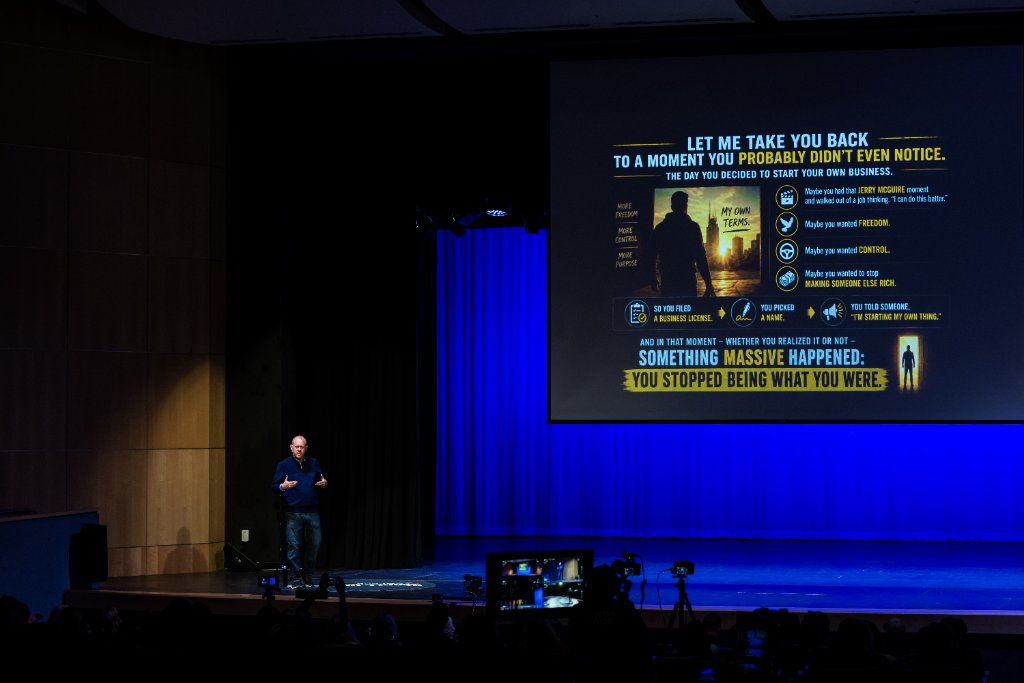
Authenticity is your greatest asset. Audiences can tell when a speaker is trying to mimic mainstream corporate trends. When you present your cultural insight, do so with pride and confidence. Do not apologize for the uniqueness of your methods. In fact, lean into the differences. The most memorable sessions at the My Small Business Conference are those where the speaker challenges the status quo by introducing a fresh, culturally influenced perspective that the audience had never considered before.
Building an Inclusive Q and A Environment
During your presentation, invite questions that allow the audience to explore how they might adapt your methods to their specific industries. Be prepared for questions that might ask how your methods scale. Have thoughtful, honest answers ready. If your method is better suited for small businesses than massive corporations, be upfront about that. Honesty builds trust, and trust is the foundation for an impactful session that will have people talking long after your time on stage is over.
Taking the Next Step as an Expert
If you have a story to tell and a strategy to teach, our stage is the perfect platform to reach a wider audience. Sharing your cultural insights provides a service to the broader business community by introducing diversity of thought. We are looking for speakers who are ready to share actionable, unique, and powerful lessons with fellow entrepreneurs. We invite you to join our network of thought leaders. To learn more about the requirements and the process, please apply to speak today. We look forward to seeing how your unique experience will inspire the next generation of business owners.