How to Share a Leadership Lesson Without Sounding Generic
How to Share a Leadership Lesson Without Sounding Generic
Leadership is often discussed in platitudes. We hear about the importance of grit, the value of staying humble, or the necessity of clear communication. While these concepts are true, they have become background noise in the professional world. If you are preparing to step onto the stage at the My Small Business Conference 2027, you have an opportunity to break that cycle. You want to offer your audience a lesson that sticks, one that transforms how they manage their teams or run their operations. The key to moving from generic to impactful is radical specificity.
The Power of the Specific Narrative
When a speaker shares a broad idea like staying flexible, the audience nods and forgets it within an hour. When a speaker shares how they lost their biggest client on a Tuesday morning because they missed a critical email thread, and then details exactly how they rebuilt their workflow, the audience leans in. People remember stories, not lectures. To avoid the generic trap, you must strip away the abstract concepts and focus on the messy reality of your specific experience.
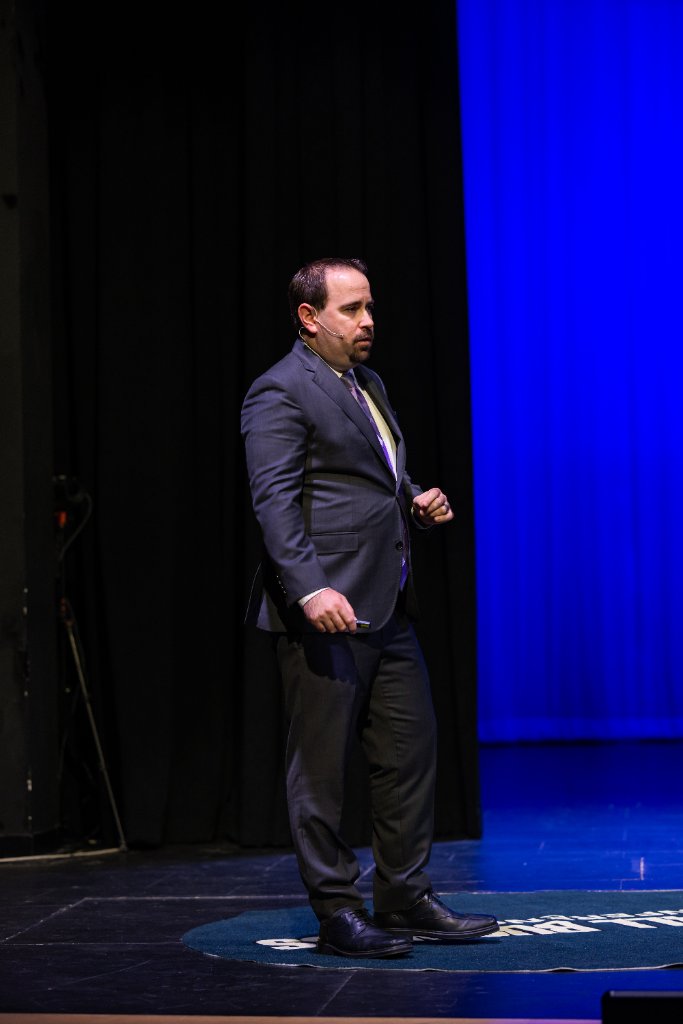
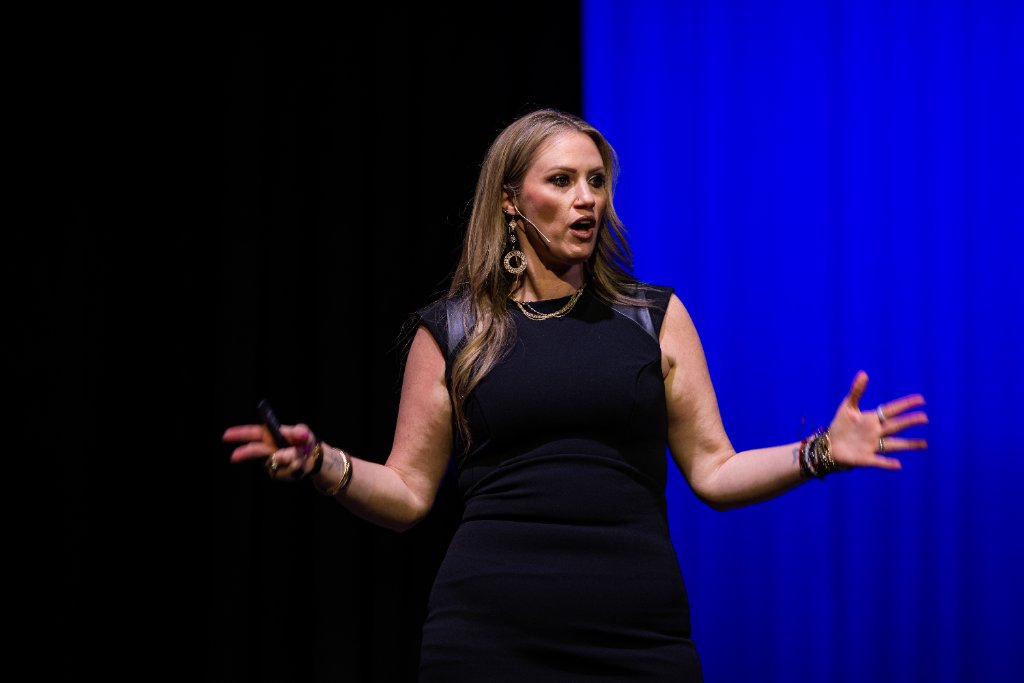
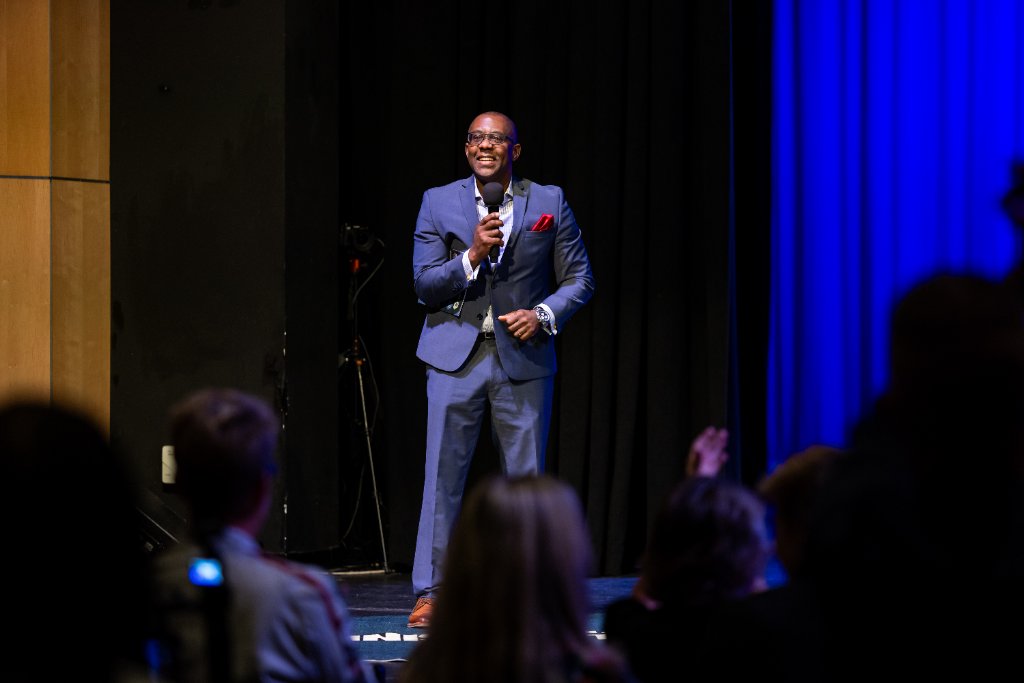
Specificity acts as a lighthouse for your listeners. It helps them see exactly where you struggled and how you emerged on the other side. If you are ready to share your expertise with our growing community, we invite you to Become a Speaker at our next event. When you ground your message in a real moment, you build instant authority because you are not reciting a textbook. You are reporting from the field of battle.
Step One: Diagnose the Conflict
Every great lesson starts with a problem that needed solving. Generic speakers often skip the problem and go straight to the solution. This is a mistake. The audience does not care about your success unless they understand the depth of your struggle.
- What was the high stakes moment in your business life?
- Who was impacted by the mistake or the challenge?
- How did you feel at the lowest point of this experience?
By answering these questions, you identify the core conflict. A leadership lesson without conflict is just a suggestion. A leadership lesson with conflict is a transformation. For example, if you want to teach about hiring, do not talk about the importance of values. Talk about the time you hired the wrong person for a key project and had to let them go just before the launch. That is a story that demands attention.
Step Two: Focus on the Internal Shift
Too many leaders focus their stage time on tactics. They talk about software, systems, and processes. While those are helpful, they are not leadership lessons. A leadership lesson is about the internal shift you had to make to change the external outcome.
If you want to talk about delegating, do not spend twenty minutes discussing project management tools. Instead, describe the moment you realized your obsession with control was actually stifling your team. Explain the fear you felt when you finally let someone else handle a client communication. The audience needs to see the human being behind the leader. When you share your internal fears, you lower the barrier between the stage and the seats, which makes your insights more accessible and less condescending.
Step Three: Quantify the Outcome
While personal stories create emotional resonance, data provides professional validity. To move beyond the generic, you must connect your specific story to a tangible business result. Did your change in leadership style increase your retention rate by 20 percent? Did it save your company three days of work per week? Did it prevent a legal headache?
When you combine a vulnerable story with a hard metric, you create a complete package. You prove that your leadership lesson is not just a philosophy but a proven strategy for growth. This is the hallmark of a high-value presentation. If you have a story that combines personal growth with measurable results, you are exactly the type of person who should apply to speak this year.
Step Four: Create an Actionable Framework
Your audience should leave the conference with a set of steps they can implement the next day. To ensure your advice is not generic, avoid phrases like 'be a better listener' or 'work harder.' These are empty commands. Instead, create a framework based on your experience.
If your lesson is about communication, your framework might look like this:
- The 10 minute morning sync that fixes misalignment.
- The specific three questions to ask when a project stalls.
- The feedback loop that prevents passive aggressive emails.
By labeling your advice as a framework, you turn a vague idea into a professional tool. People love tools because they reduce the complexity of business. If you can boil your lesson down to three distinct, repeatable steps, you will stand out as one of the most practical speakers of the conference.
Avoiding the Cliche Trap
Clichés like 'think outside the box' or 'fail forward' are dangerous because they allow the audience to tune out. They have heard these phrases a thousand times. Every time you find yourself using a popular business buzzword, stop and force yourself to find a more precise descriptor.
- Instead of 'fail forward,' use 'iterate through data-driven setbacks.'
- Instead of 'think outside the box,' use 'stress-test your assumptions against competitor behavior.'
Precision in your language shows that you have done the work. It signals that your insights are curated, not collected from social media feeds. Your audience values their time, and they respect a speaker who respects the nuances of their industry. When you avoid these linguistic shortcuts, you force the audience to engage with your specific ideas.
Why Your Perspective Matters
Leadership is not a monolith. The way you handle a small team in a local market in California is vastly different from a global enterprise. Your experience is unique to your industry, your city, and your team structure. Do not try to make your lesson apply to everyone. The more specific your context, the more universal the application often becomes. When you own your niche and speak to the reality of your specific business challenges, you provide a level of value that generic, high-level business gurus simply cannot match.
We are looking for leaders who are willing to be honest about the difficulty of running a small business. If you have a leadership lesson that was forged in the real world and you are ready to share it with our audience, we want to hear from you. The process is simple, and the impact of sharing your knowledge with your peers is immense. Take the next step in your professional journey and apply to speak at the My Small Business Conference 2027.