How to Share Marketing Results Without Overpromising
How to Share Marketing Results Without Overpromising
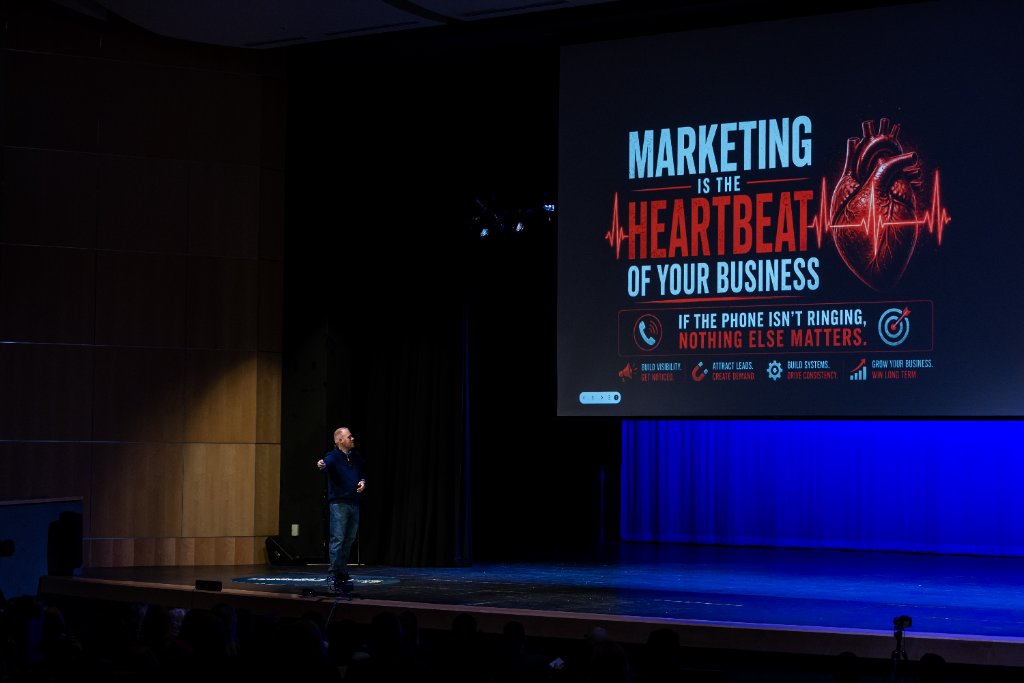
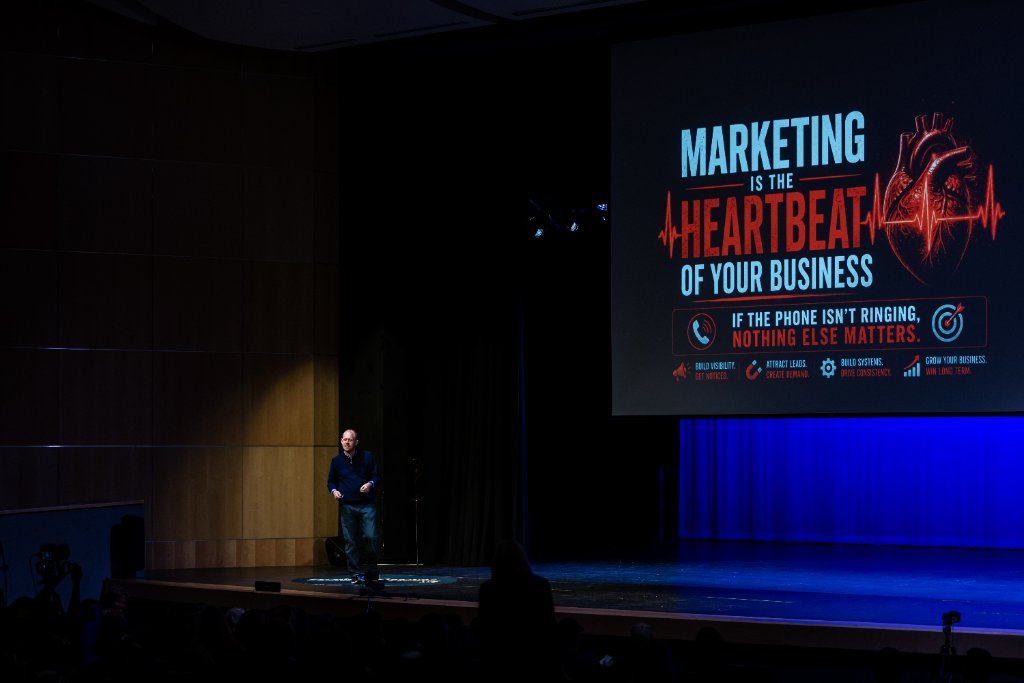
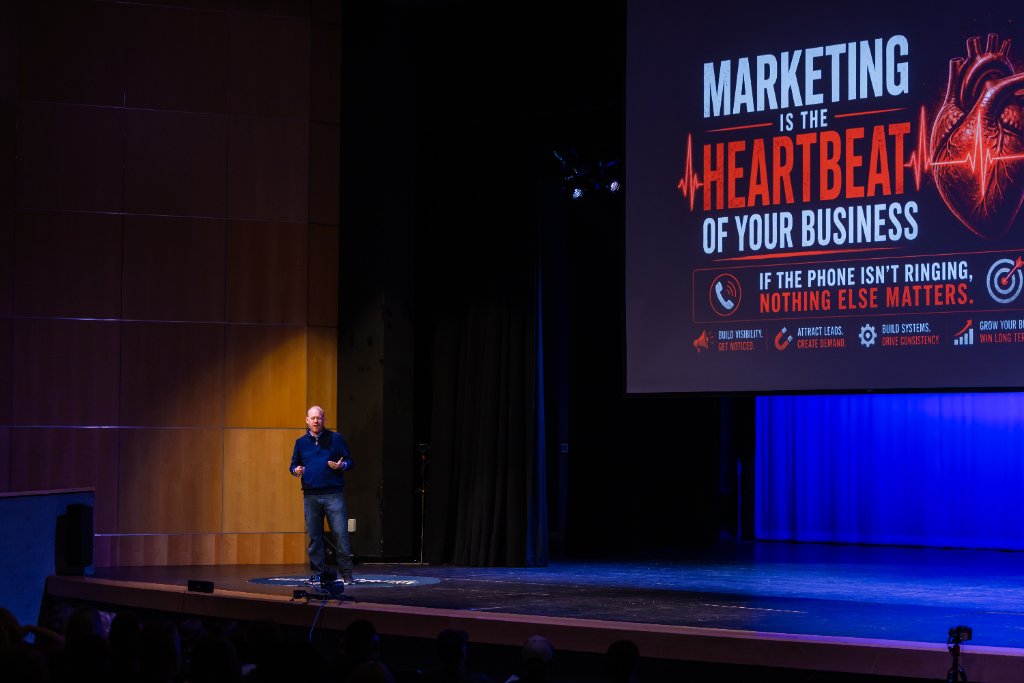
When you stand on a stage at a major event like the My Small Business Conference 2027, you carry a significant responsibility. You are not just presenting data. You are influencing the strategic direction of other entrepreneurs. Many speakers fall into the trap of overpromising by presenting singular, best-case scenario results as if they are repeatable standards. This practice damages your credibility and sets your audience up for failure. To build a reputation as a trustworthy industry leader, you must learn to frame your marketing results with transparency, context, and humility.
The Anatomy of an Honest Case Study
Transparency is the foundation of a great presentation. When you share a success story, you must provide the full picture. Did you achieve a high return on investment because of a genius campaign, or did you have a massive advantage in market conditions? Honesty requires you to disclose the variables that contributed to your success. If you are interested in sharing your own journey, you should Become a Speaker at our upcoming event where we value authentic, data-driven storytelling.
Define the Variables and Constraints
Every successful marketing campaign operates within specific constraints. When presenting your results, clearly outline the budget, the timeframe, the audience size, and the previous baseline metrics. If you omit these details, your audience assumes your results are universally applicable. By defining the constraints, you provide your listeners with a roadmap rather than a miracle. Use these steps to audit your own presentation deck:
- List every resource used including software, budget, and personnel.
- Detail the specific audience segment targeted.
- Acknowledge external factors like seasonality or market shifts.
- Provide a clear timeline of the campaign lifecycle.
Avoid the Trap of Extrapolated Success
One of the most common mistakes speakers make is extrapolating data. If you grew your email list by 200 percent in one month using a specific lead magnet, do not promise the same results for everyone else. Instead, explain the conditions that allowed for that growth. Explain the specific pain point your lead magnet solved for your niche. When you offer advice, frame it as a hypothesis that needs testing rather than a universal rule. This subtle shift in language protects your audience from applying faulty logic to their own businesses. Attendees at the My Small Business Conference 2027 appreciate professionals who speak with nuance.
Using Failure as a Tool for Transparency
Nothing establishes credibility faster than admitting where things went wrong. If you only talk about your wins, your audience will naturally be skeptical. Sharing a failed experiment shows that you understand the process of trial and error. It humanizes your brand and provides more educational value than a perfect win ever could. When you discuss a campaign that missed the mark, explain the metrics you tracked, what you learned, and how you pivoted. This is the mark of a true strategist. It shows the audience that you value the analytical process more than the ego-boosting win.
Providing Actionable Frameworks Instead of Guarantees
Instead of promising specific outcomes like doubling your revenue, focus on sharing your frameworks. A framework is a set of principles that can be adapted to various business models. When you teach a framework, you empower your audience to apply your methodology to their unique situation. This moves the conversation away from the pressure of guaranteeing results and toward the education of your peers. For example, instead of saying, "This strategy will get you 10,000 followers," say, "Here is the framework I used to identify and engage my specific community." This is a powerful distinction that separates thoughtful educators from mere hype-generators.
Setting Expectations for Long-Term Growth
Marketing is rarely a sprint. When you share results, emphasize the long-term effort required to sustain them. If you saw a spike in traffic, mention how much content was produced to build the foundation for that traffic. If you improved conversion rates, talk about the months of A/B testing that preceded the win. By highlighting the "boring" work behind the "exciting" results, you set realistic expectations for your audience. Small business owners need to know that success is the result of consistent, iterative effort. If you have a story of consistent, steady growth that you want to share with our community, apply to speak at our event today.
The Ethics of Data Visualization
How you display your data matters as much as the data itself. Avoid manipulative graph scales that exaggerate trends. If your conversion rate went from 2 percent to 2.2 percent, do not show a massive vertical spike that implies exponential growth. Use clean, clear labels and axis markers. Transparency in your visuals proves that you have nothing to hide. It builds deep trust with your audience, which is the ultimate goal of any conference presentation. When you stand on our stage in Temecula, keep your visual storytelling grounded in reality to ensure your message resonates for years to come.