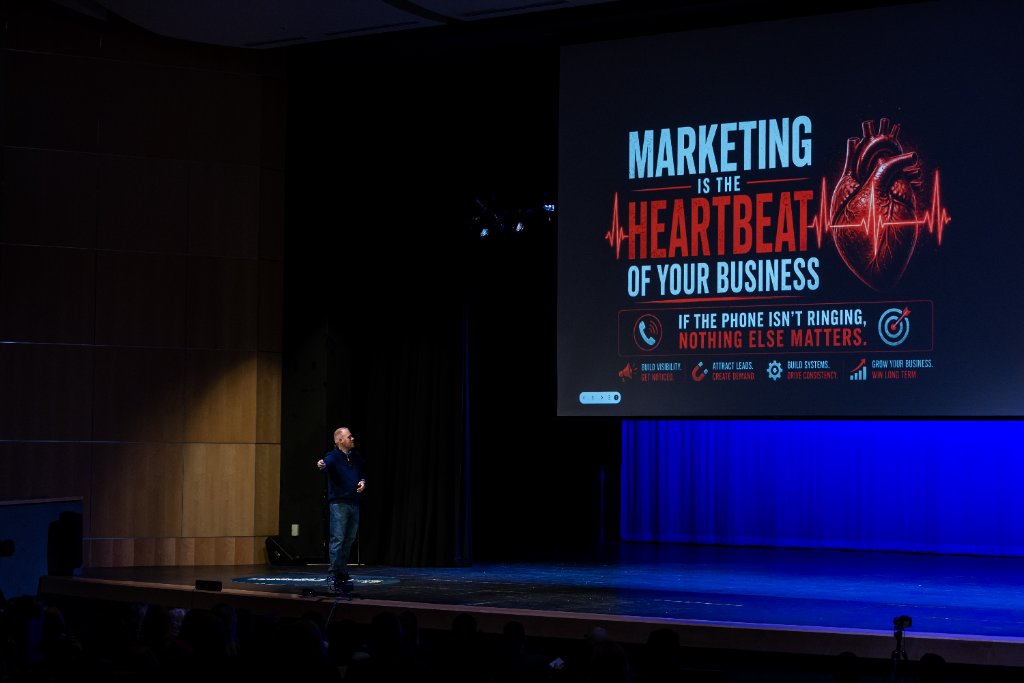
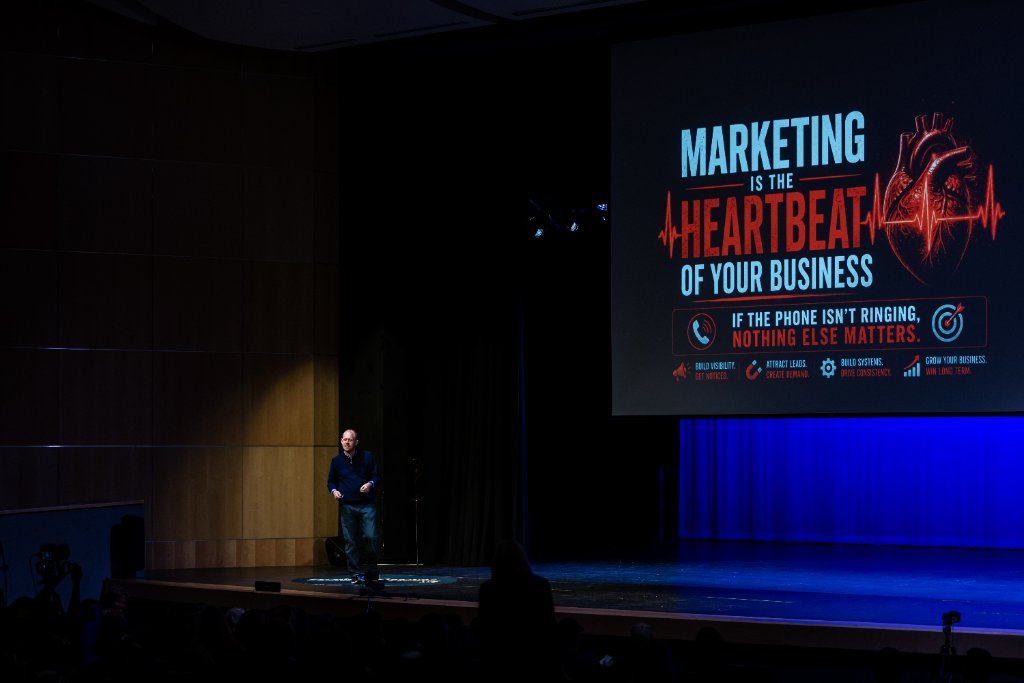
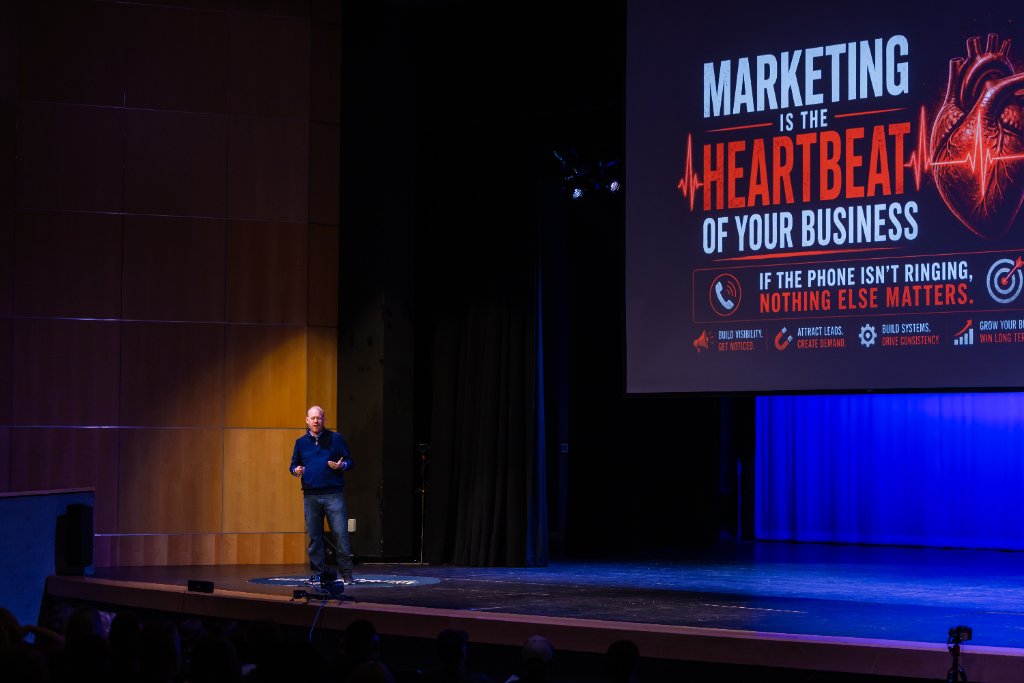
How to Speak About Work-Life Boundaries as an Entrepreneur
How to Speak About Work-Life Boundaries as an Entrepreneur
Transforming Your Personal Journey into a Conference Presentation
Many entrepreneurs struggle with the myth that success requires constant sacrifice. If you have successfully established healthy work-life boundaries, you hold a vital perspective that others need to hear. Sharing your journey is not just about professional development, it is about giving fellow business owners the permission to prioritize their health. To Become a Speaker at an event like the My Small Business Conference 2027, you must move beyond general advice and provide a structured framework for your audience.
Your presentation should be rooted in specific, actionable steps. People attend conferences to gain tools that they can apply on Monday morning. Instead of speaking in abstract concepts, focus on how you reclaimed your evenings, delegated tasks to protect your weekends, or leveraged technology to set communication expectations with your clients. When you translate your experience into a replicable system, you become an invaluable resource for the event community.
Crafting a Narrative that Resonates with Other Founders
Effective public speaking relies on a powerful narrative arc. Start by acknowledging the common pain points your audience faces. Perhaps you spent years working eighty hour weeks before experiencing burnout. By being vulnerable about your own challenges, you build instant credibility. When your audience sees that you have walked the same difficult path, they become more receptive to your solutions.
Once you have established the problem, introduce your personal transformation. Describe the specific turning point where you decided to change your habits. This provides a clear contrast between your past self and your current, balanced self. Use this shift to introduce the practical strategies you will share throughout the remainder of your talk. Remember, your audience does not want to hear a resume, they want to hear a story of growth and survival in the competitive world of small business.
Structuring Your Talk for Maximum Impact
A great talk needs a logical flow. Start with a hook, follow with the core problem, provide your solution, and end with a clear takeaway. To apply to speak, you should present your topic as a clear, distinct methodology. Consider using a three part framework for your presentation:
- The Identification Stage: Helping entrepreneurs spot the signs of encroaching work life balance issues before they become chronic.
- The Implementation Stage: Providing concrete, low friction habits such as setting email office hours or using project management tools to automate communication.
- The Maintenance Stage: Explaining how to hold these boundaries when clients demand immediate responses or when high stakes projects arise.
By breaking your advice into these categories, you make complex psychological shifts feel manageable for the busy business owner. Ensure that each section contains a specific anecdote from your business life to illustrate how these steps work in the real world.
Using Data and Case Studies to Validate Your Boundaries
While personal experience is powerful, adding data makes your argument bulletproof. Research the impact of burnout on cognitive function or the relationship between recovery time and creative output. When you combine your lived experience with objective statistics, you bridge the gap between being a storyteller and an authority figure. Entrepreneurs love data because it validates the logic behind their decisions.
If you have mentored other business owners, include their success stories as case studies. Showing that your methods work for other people in different industries strengthens your expertise. This adds a layer of depth to your talk and proves that your strategy is not just a personal quirk, but a legitimate business practice that improves efficiency and long term profitability. It moves the discussion from a wellness concern to a productivity strategy, which is often what decision makers want to see at a professional conference.
Preparing for the Q and A Session
Your presentation is only half the battle. The question and answer session is where you truly connect with your audience. Anticipate the tough questions. People will likely ask about how to handle difficult clients, how to set boundaries without losing revenue, or how to manage a team while also stepping back. If you are prepared with thoughtful, concise answers, you solidify your reputation as a thought leader.
Prepare a list of frequently asked questions and practice your responses. Keep your answers focused on the audience. Instead of saying what worked for you, offer a range of solutions that attendees can tailor to their specific industry or business model. This shows that you understand the nuance of entrepreneurship and that you are committed to the success of your peers rather than just broadcasting your own methods.
Inviting Your Peers to Learn Together
Sharing your insights on work-life balance is a contribution to the entire entrepreneurial ecosystem. The My Small Business Conference 2027 is seeking voices that can guide others toward sustainable success. If you are ready to share your strategies and impact the lives of fellow business owners in Temecula, we encourage you to join our lineup of speakers. Your unique perspective on managing boundaries is the solution someone else has been looking for. Do not miss the chance to reach an engaged, growth oriented audience. Take the next step in your public speaking career and apply to speak today. We look forward to reviewing your proposal and potentially highlighting your expertise on our stage.