risk managementreal examplesconference speakingbusiness risk
How to Teach Risk Management Through Real Business Examples
October 14, 2026MSBC Team
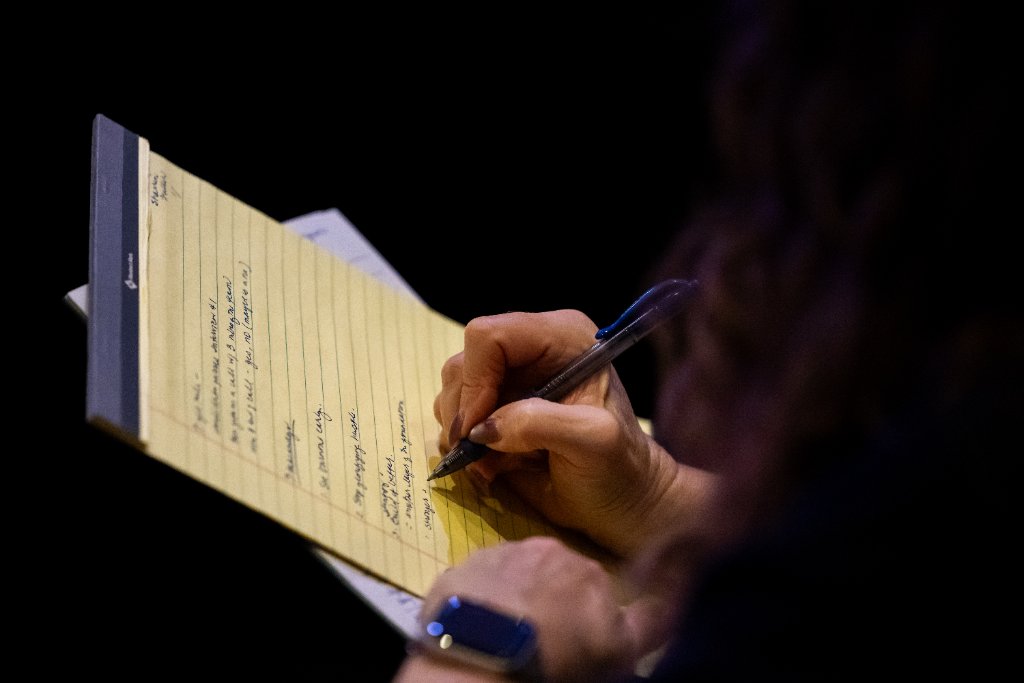 ### Selecting the Right Case Studies. Not every disaster makes for a good teaching moment. A high quality business example must possess three specific traits. First, the risk must be relatable to a small business audience. A multi billion dollar international lawsuit might be interesting, but it does not resonate with a boutique owner in Temecula. Second, the example must highlight a clear decision point where the owner could have acted differently. Third, there must be a measurable outcome, whether positive or negative, that serves as a lesson for the listeners. ## Mapping Theory to Reality Through Specific Frameworks. The core of your presentation should involve mapping academic concepts like the risk matrix or SWOT analysis onto actual events. When you use real examples, your audience learns how to operationalize theory. For instance, consider a scenario involving a retail business that suffered a seasonal inventory loss. Instead of just discussing insurance premiums, you can walk the audience through the decision to forgo certain coverage in favor of diversifying suppliers. This is where you demonstrate the art of the trade off. Use the following structure to build your teaching modules: 1. Introduce the risk event as it appeared to the business owner before the crisis hit. 2. Outline the specific risk assessment methodology used or neglected at the time. 3. Detail the actual business impact, including financial, reputational, and operational consequences. 4. Analyze the post mortem of the situation with clear recommendations that attendees can take home. ## Addressing Legal and Financial Complexities Safely. Risk management professionals often worry about the sensitivities surrounding real business examples. You should never use a case study that violates non disclosure agreements or exposes current clients to public scrutiny. Instead, follow these professional standards to ensure your examples are both impactful and safe. First, utilize anonymized data. You can keep the core details and the decision making logic intact while changing names, industries, or specific timelines to protect privacy. Second, focus on publicly documented legal cases or widely reported business failures. There are countless court records available that provide excellent cautionary tales without requiring you to share confidential information. Third, always provide a disclaimer. Remind your audience that every business context is unique and that these examples serve as learning tools rather than specific legal or financial advice. ## Designing Interactive Learning Experiences. Passive listening is the enemy of audience retention. If you are presenting at a conference, you should create moments where the audience solves the risk problem alongside you. Take a real example and pause the narrative before the crisis point. Ask the audience what they would do if they were in the shoes of that business owner. This technique builds immediate rapport and forces participants to think through the risk management process in real time. Providing a brief handout or a digital worksheet that tracks the decision making process allows them to engage deeper. When you involve the audience in the diagnostic process, your presentation shifts from being an educational session to a collaborative workshop. This style of teaching is exactly what attendees at the My Small Business Conference 2027 value most. ## Refining Your Delivery for Professional Impact. Your delivery should be as precise as your risk assessment models. Avoid over relying on text heavy slides. Your slides should contain charts, timelines, or simplified versions of the risk matrices you are teaching, not your entire script. Focus on your vocal delivery and the rhythm of your narrative. By pacing your speech to allow for the gravity of a business failure to sink in, you keep the audience engaged. If you are ready to put these concepts into practice and contribute to the growth of the entrepreneurial community in Southern California, we invite you to share your expertise with our audience. We are always looking for professionals who can translate complex risks into clear strategies. Please apply to speak today. Our committee reviews applications on a rolling basis, and we prioritize speakers who bring original case studies and a practical focus to their sessions. Your knowledge is a valuable resource for small business owners who are looking to protect their legacies, and we would be honored to host you at our upcoming event.
Common questions about applying to speak, attending, and getting the most out of the My Small Business Conference 2027.
Event Date
June 9, 2027
Location
Temecula Old Town Theater, Temecula, CA
Audience
500+ entrepreneurs and small business owners
Speaker Applications
Currently open
You can apply to speak at the My Small Business Conference 2027 through the online speaker application on the Become a Speaker page. The application asks for your name, contact details, professional background, proposed talk topic, and a short summary of what attendees will learn.
Yes, speaker applications for the My Small Business Conference 2027 are currently open. The conference takes place on June 9, 2027, in Temecula, California. Apply early to be considered for the available speaking slots.
The conference welcomes applications from entrepreneurs, business owners, industry experts, and professionals who have practical experience and insights to share with small business audiences. You do not need to be a professional speaker, but you should have real expertise in your field.
A strong application includes your professional background, a clear talk title, a short summary of your topic, the key takeaways attendees will gain, and any relevant speaking or industry experience. Keep your proposal specific and actionable.
The conference covers topics relevant to small business owners and entrepreneurs, including marketing, sales, finance, operations, technology, leadership, growth strategy, and personal development. We welcome both established topics and fresh perspectives that serve small business audiences.
No. While prior speaking experience is helpful, the conference considers applications based on the value and relevance of your expertise, not only your speaking history. Speaker coaching and preparation support are available for selected speakers.
After you submit your application, the review team evaluates each proposal based on topic relevance, audience value, and speaker expertise. Selected speakers are contacted with next steps, including session details, preparation timelines, and speaker coaching information.
A small business conference is an event that brings together entrepreneurs, small business owners, and industry professionals to learn, network, and share practical strategies for growing and running a business. The My Small Business Conference 2027 features speaker sessions, networking opportunities, and resources tailored to small business needs.
Small business conferences are designed for entrepreneurs, small business owners, founders, solopreneurs, and professionals who want to learn new strategies, connect with peers, and discover tools and services that help their businesses grow.
Consider the conference audience, the topics covered, the speakers and sessions offered, the networking opportunities, the location and date, and whether the event aligns with your business goals. The My Small Business Conference focuses specifically on practical, actionable content for small business owners.
Speaking at a small business conference can help you build professional authority, grow your personal brand, connect with potential clients and partners, and share your expertise with an engaged audience. Selected speakers at this conference also receive a professional recording of their talk to keep for their own marketing.
A conference talk positions you as a credible expert in your field, gives you content you can share across your marketing channels, and connects you with an audience of potential clients and collaborators. Promoting your appearance before and after the event amplifies the reach of your message.
Experience these insights live, network with speakers, and transform your business
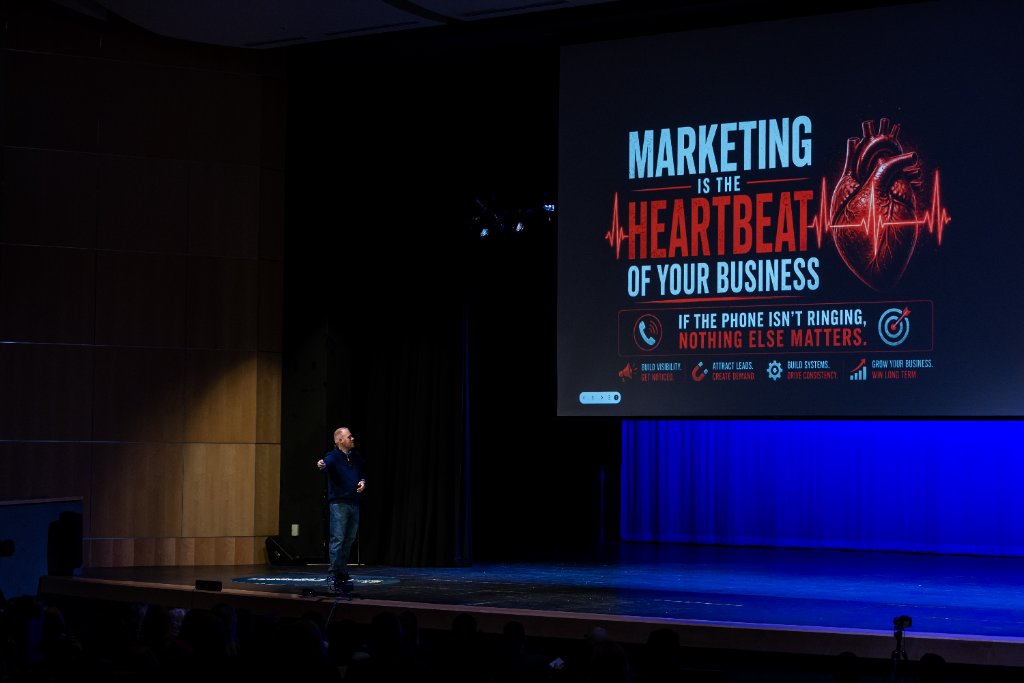
Master the art of Q&A sessions with these expert strategies designed for speakers. Learn how to handle tough questions and command the room with absolute confidence.
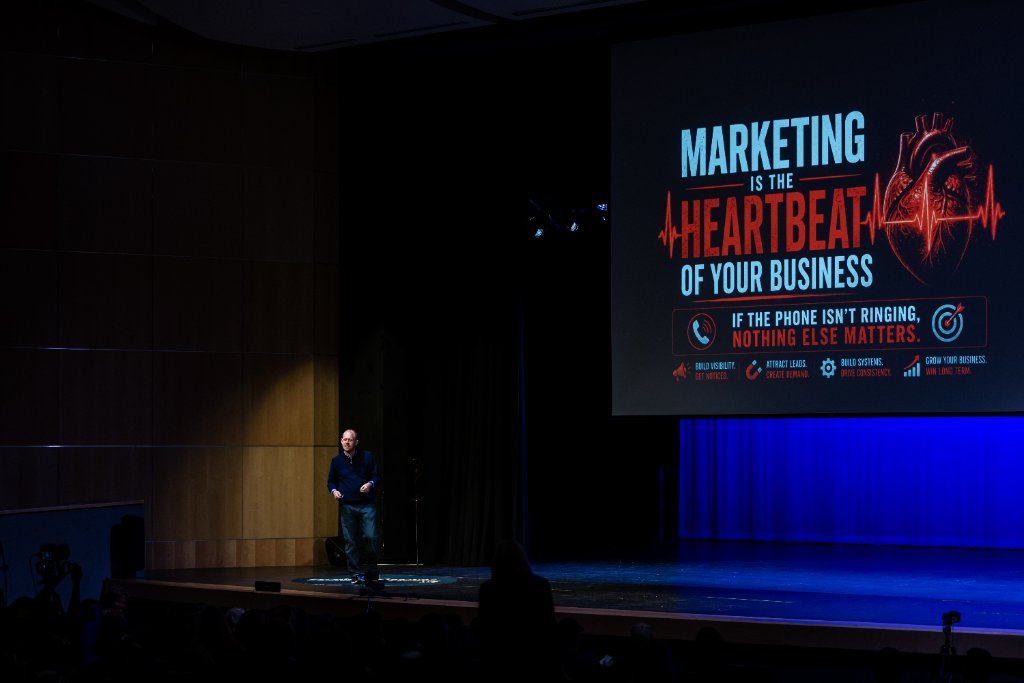
Learn how to design effective, clear presentation slides that keep your audience engaged and reinforce your message at your next business conference.
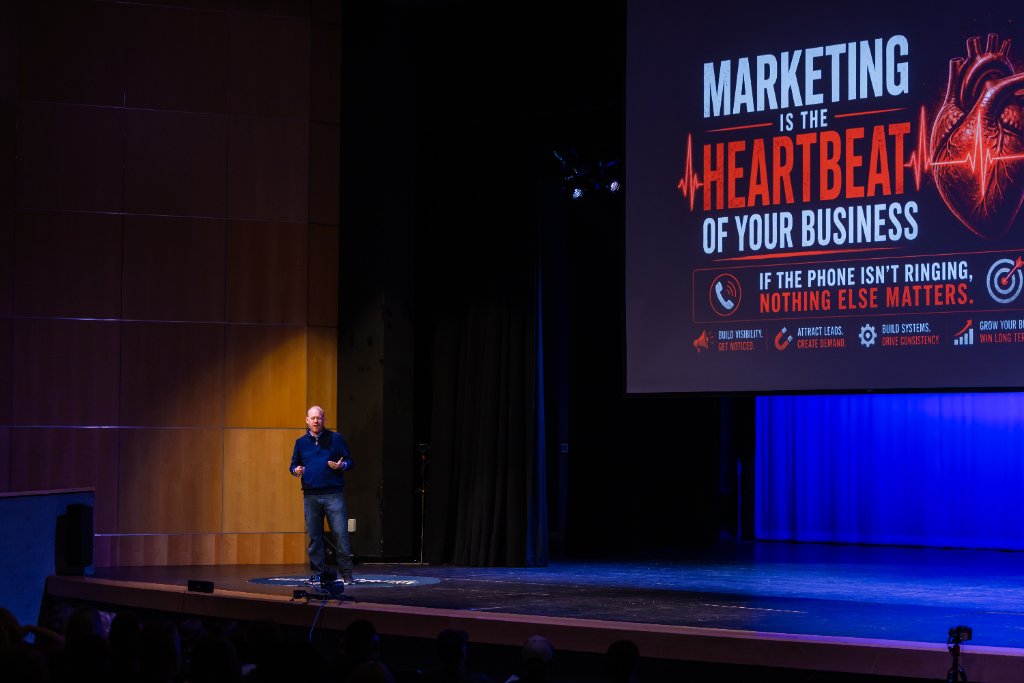
Master the art of storytelling to elevate your business presentations. Learn how to use narrative techniques to captivate audiences at the My Small Business Conference 2027.