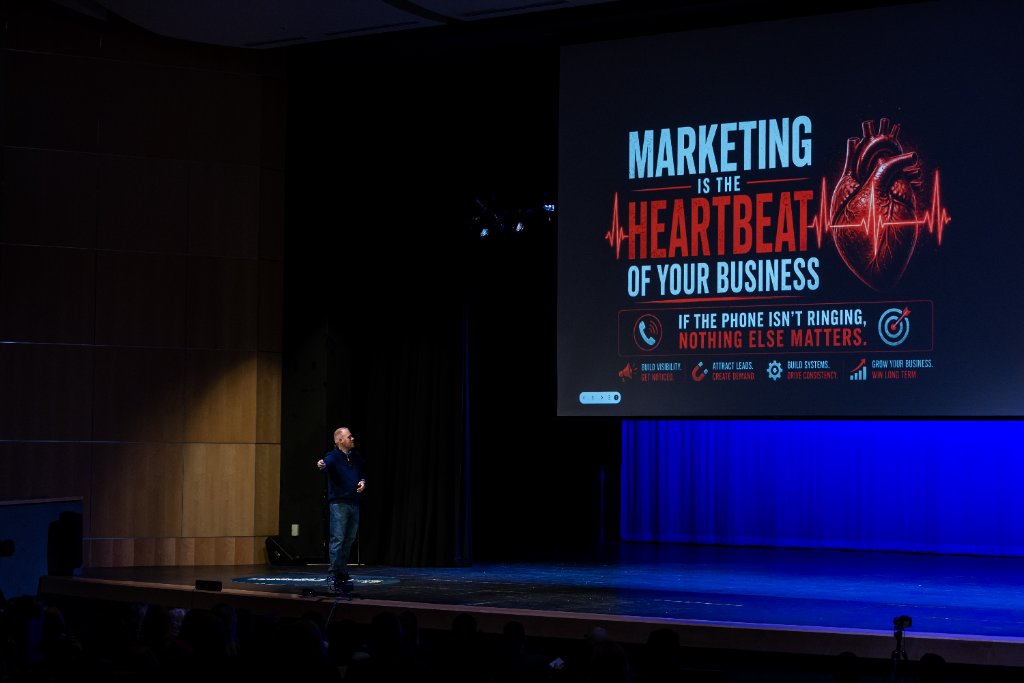
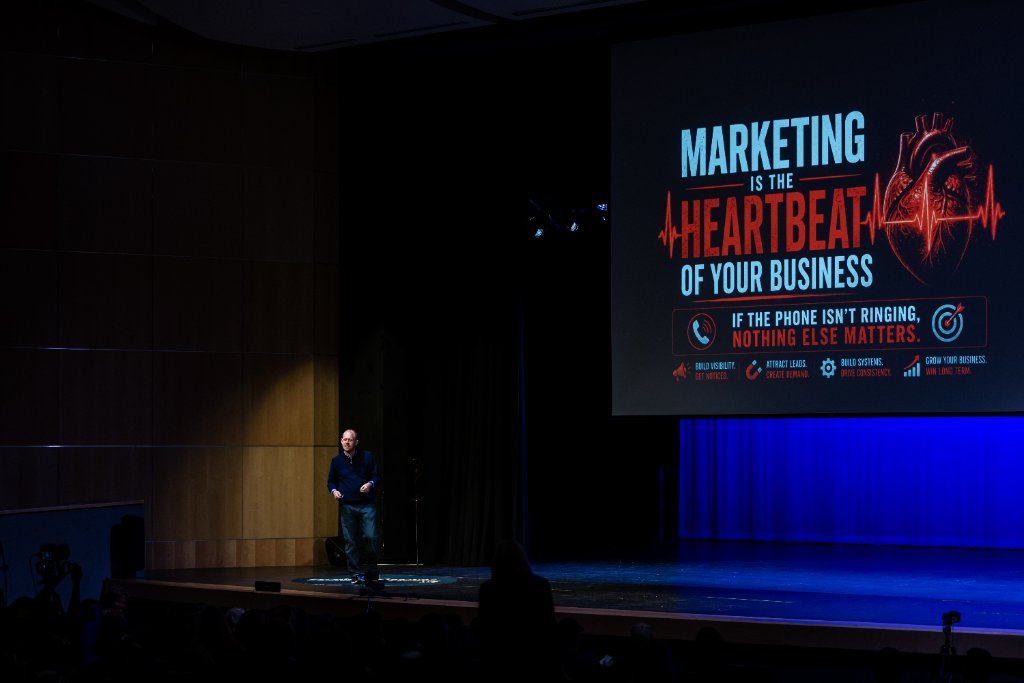
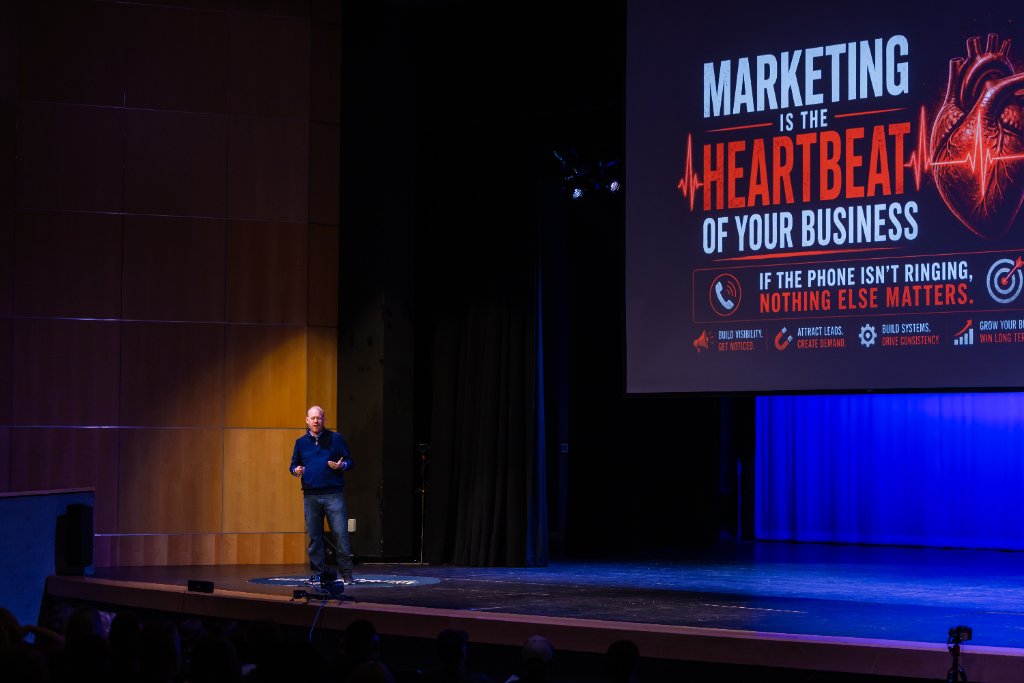
What Makes a Great Conference Talk Proposal?
What Makes a Great Conference Talk Proposal?
Securing a speaking slot at a premier event like the My Small Business Conference 2027 is a significant milestone for any entrepreneur or consultant. It positions you as an industry authority, builds your personal brand, and connects you with high level networking opportunities. However, the selection process is competitive. Conference organizers sift through hundreds of submissions to find a handful that offer genuine value. Writing a proposal that cuts through the noise requires strategy, clarity, and an understanding of what organizers look for. If you want to Become a Speaker, you must master the art of the pitch.
Understand the Organizer Perspective
Organizers are not just looking for a topic. They are looking for a complete package. They need to know that your talk will attract attendees, provide actionable insights, and run smoothly on stage. When you write your proposal, stop thinking about what you want to talk about and start thinking about the problem the conference organizers are trying to solve for their audience. Every event has a core theme, a target demographic, and a reputation to maintain. Your proposal should act as a direct answer to their goal of delivering high quality content.
Define Your Audience Clearly
Too many proposals fail because they are too broad. A talk titled How to Market Your Business is often rejected because it is vague. Instead, refine your audience. A successful proposal might be titled How Small Business Owners in Southern California Can Use Local SEO to Outperform Big Competitors. Specificity demonstrates that you understand the challenges attendees face. It signals to the organizer that you will not deliver generic advice but will instead provide specific, relevant knowledge that they can implement immediately.
Crafting a Compelling Title and Hook
Your title is your first impression. It must be catchy, relevant, and descriptive. A great title promises a specific outcome. Use action verbs and highlight the benefit of your talk. Avoid clever but confusing puns that do not clearly communicate the content of your presentation. Once you have a strong title, your hook needs to sustain that momentum. The hook is the first sentence of your proposal description. It should acknowledge a pain point or identify a gap in the current market and promise to fill it.
Structuring the Abstract
The abstract is the heart of your submission. Organizers use it to determine if your talk fits their agenda. A well structured abstract should include three parts:
- The Problem: Start by highlighting a specific challenge your target audience faces in their small business today.
- The Solution: Explain briefly how your talk provides a clear and effective answer to that problem.
- The Takeaways: Provide three clear bullet points outlining what attendees will learn. This is crucial. If an organizer cannot see the concrete takeaways, they will likely pass on your proposal.
Providing Tangible Value and Takeaways
Actionable content is king. Attendees at the My Small Business Conference 2027 want to leave with tools they can use on Monday morning. Your proposal must promise practical application. Avoid using fluff words like transformative, life changing, or revolutionary. Instead, use words like roadmap, framework, audit, or template. When you describe your session, explain exactly what the audience will gain. Will they walk away with a marketing calendar? A checklist for hiring? A template for financial forecasting? Explicitly stating your takeaways builds trust with the selection committee.
The Importance of Proof
If you have spoken before, include links to videos of your past presentations. If you have not spoken before, do not worry. You can demonstrate your expertise in other ways. Provide links to articles you have written, workshops you have led, or even a brief video introduction where you speak about your topic for two minutes. This allows the organizer to see your speaking style, your energy, and your ability to explain complex concepts clearly. It reduces the risk for the organizer and makes you a much more attractive candidate.
Avoiding Common Proposal Pitfalls
To ensure your submission stands out, avoid these common mistakes that lead to rejection. First, do not submit a pitch that sounds like a sales advertisement for your own company. Conference organizers are strictly opposed to pitch heavy sessions. Your talk should be educational, not promotional. Second, do not ignore the conference guidelines. If they ask for a two hundred word description, do not provide five hundred. Adhering to the technical requirements shows you are professional and easy to work with. Third, avoid being overly academic. Small business owners value street smarts and practical experience over abstract theory.
Polishing Your Final Submission
Before you hit the submit button, treat your proposal like a professional business document. Proofread it for clarity and tone. Use a professional, confident, and enthusiastic voice. If possible, have someone else read your proposal. If they cannot explain what your talk is about after reading it once, your message is not clear enough. A successful proposal is the result of refinement, careful editing, and a clear understanding of the specific audience you are addressing.
Join Us as a Speaker
If you have a message that can empower the entrepreneurs in our community, we want to hear from you. The My Small Business Conference 2027 is dedicated to bringing together the best minds in business, and we are looking for passionate individuals who can share their expertise. Review our speaker guidelines and prepare your submission to show us how you can add value to our event. We look forward to reviewing your application. You can apply to speak through our official portal today to start your journey as a featured presenter.