What Small Business Leaders Can Teach About Resilience
What Small Business Leaders Can Teach About Resilience
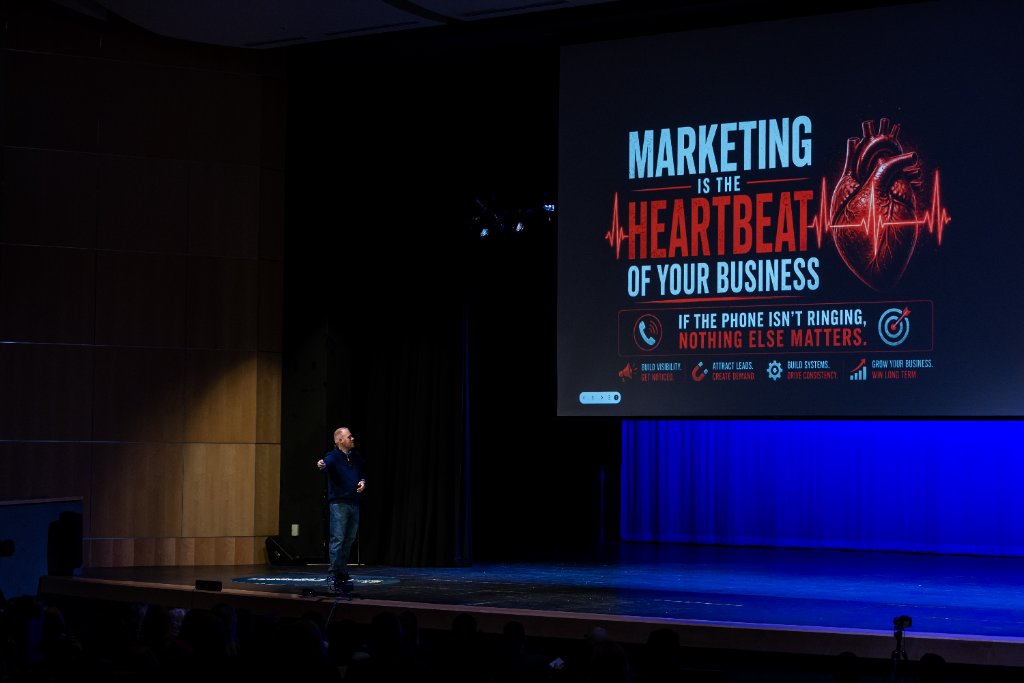
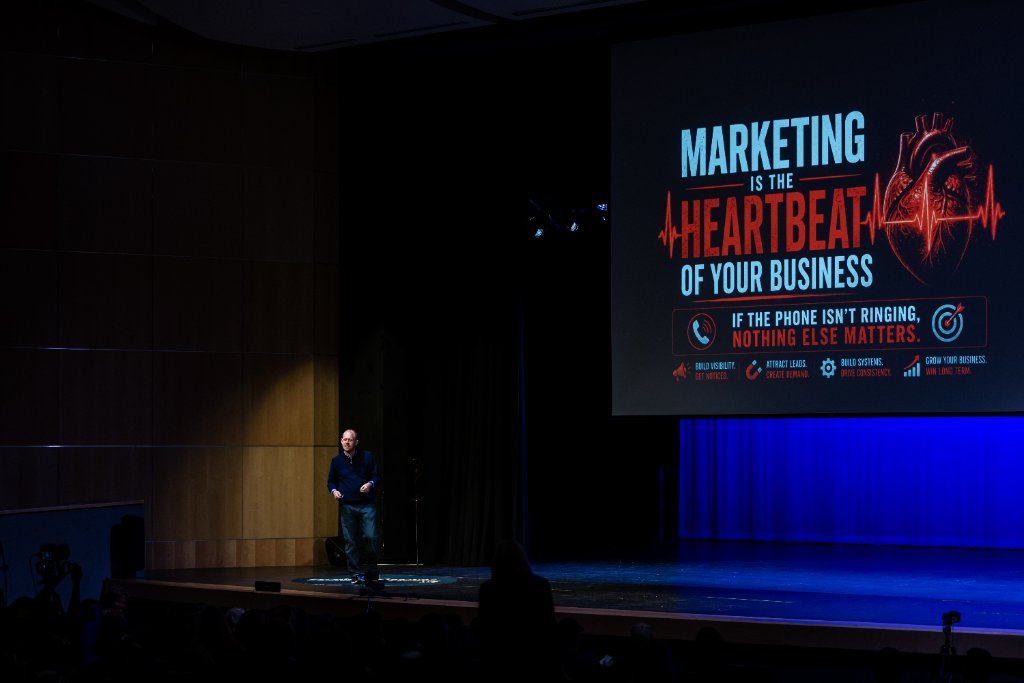
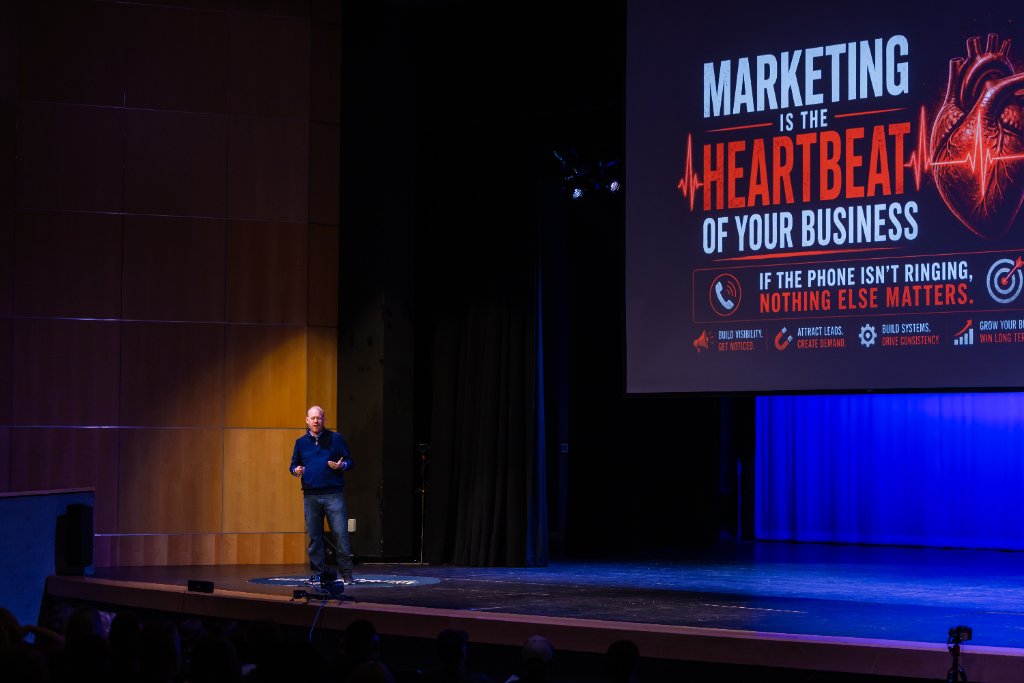
Resilience is the heartbeat of every successful small business. When economic shifts occur or supply chains falter, it is the leader who must pivot, adjust, and continue forward. If you have navigated these turbulent waters and emerged stronger, you possess a valuable narrative that fellow entrepreneurs need to hear. Sharing your journey is not just about personal branding. It is about providing a roadmap for those who are currently standing in the thick of a crisis. As we prepare for the conference, we are looking for leaders who can articulate the tactical steps behind emotional and operational stamina.
The Anatomy of a Resilient Business Culture
Resilience is often mistaken for simple endurance. True resilience, however, is a proactive strategy. It involves building systems that can handle volatility without breaking. Leaders who excel at this understand that organizational culture is the first line of defense. When employees feel secure, they can innovate faster. When you speak to an audience at a major event, focus on the structural changes you made to bolster your team during difficult times.
Building Psychological Safety
Before you can tackle external market pressures, you must ensure your internal team is stable. Resilience grows in environments where failure is treated as data, not as a character flaw. Explain to your audience how you encouraged transparency. Did you hold weekly open forums? Did you implement a system for anonymous feedback? These details turn a vague concept into a professional tool that other business owners can implement immediately.
Turning Setbacks into Strategic Pivots
Every business leader has a story about a failed product launch, a lost major client, or a sudden change in local regulations. The difference between those who fail and those who thrive is the ability to pivot. When you prepare your presentation for the conference, stop focusing on the setback and start focusing on the pivot.
- Identify the moment of realization. When did you know the current path was unsustainable?
- Map the data points that informed your next decision.
- Detail the communication plan you used to keep your stakeholders aligned during the shift.
By framing your story this way, you provide a repeatable framework. Your audience wants to know the mechanics of your decision making process.
Financial Resilience as a Long Term Strategy
Financial instability is the primary reason small businesses close. Yet, speakers often avoid talking about the numbers. If you managed to keep your company solvent through a rough year, you have a story worth telling. Discuss your approach to cash flow management, debt reduction, or diversification of revenue streams. Use specific examples. Did you re-negotiate contracts? Did you outsource non-core operations to save capital? Practical, high-level financial wisdom is always the most popular topic at our event.
Scaling During Uncertain Times
Some of the most iconic companies were born or scaled during economic downturns. This seems counterintuitive to many, but it is a classic entrepreneur lesson. Resilience is not just about keeping the lights on. It is about seizing opportunities when others are paralyzed by fear. If you have expanded your operations, entered new markets, or invested in new technology while others were retracting, share your methodology. Explain how you calculated the risk and why you were confident in the timing. This type of strategic insight is exactly what attendees of the conference are searching for.
Crafting Your Speaker Narrative
When you apply to speak, remember that conference organizers are looking for actionable takeaways. You need to move beyond high level inspiration and get into the weeds of leadership. Attendees come to Temecula with real problems, and they expect you to provide real solutions.
Tips for a Compelling Presentation
- Start with a clear conflict that your business faced.
- Use metrics to prove the severity of the situation.
- Break your recovery process into three distinct phases.
- Conclude with a summary of the leadership principles you learned.
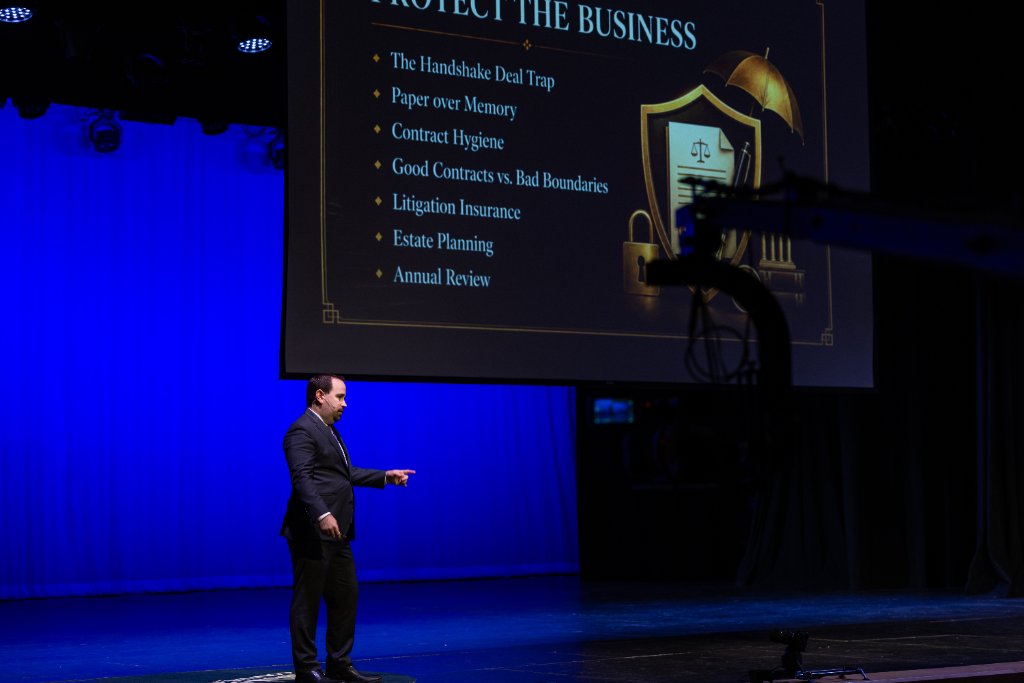
Do not try to hide your mistakes. The most respected speakers are those who are honest about their early missteps. A polished professional who shares a story of failure will always be more engaging than one who pretends to have all the answers. The audience wants to learn from someone who has been in their shoes and found a way to win. Your experience is your greatest asset. By sharing it, you not only elevate your own reputation as a thought leader but you also contribute to the collective wisdom of our business community. If you have a story that can change the trajectory of another owner, we want to provide the platform for you to share it. We invite you to apply to speak for our upcoming event and help shape the next generation of resilient leaders.